Playgrounds are magical places where kids create memories that last a lifetime! But behind all that laughter and fun, there's serious business happening – keeping our children safe while they play. If you're managing public spaces, overseeing park departments, or making decisions about playground equipment, you're probably wondering: what's new in playground safety for 2025?
Great news – we've got you covered! The Consumer Product Safety Commission (CPSC) just dropped their biggest playground safety update since 2010, and it's a game-changer for municipalities across the country.
What's New This Year?
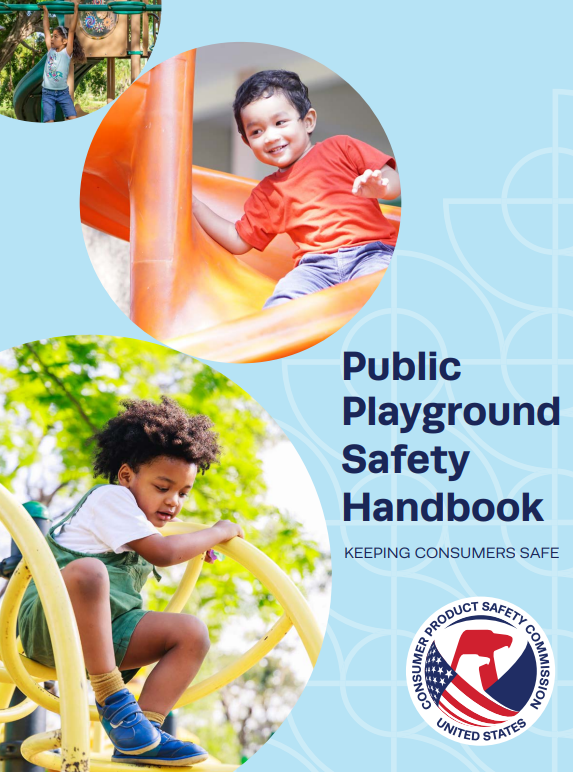
The CPSC released their updated Public Playground Safety Handbook in July 2025, and it's packed with fresh guidelines that reflect modern safety research and real-world playground injuries. While these are voluntary guidelines (not federal mandates), they're quickly becoming the gold standard that insurers, local governments, and school districts use to measure playground safety.
With over 190,000 playground injuries requiring emergency treatment happening annually, these updates aren't just paperwork – they're your roadmap to creating safer play spaces for every child in your community.
Let's dive into the seven most important guidelines every municipality needs to know!
1. Stronger Alignment with ASTM Standards
The 2025 update creates much clearer connections between CPSC recommendations and ASTM technical specifications. This means less confusion when you're reviewing equipment proposals or conducting safety inspections!
What's changed: The handbook now clarifies tricky definitions like "critical height" and explains how to treat composite playground structures as integrated units rather than separate pieces. You'll also find more direct references to ASTM F1487 standards, making it easier to ensure your equipment meets both sets of requirements.
Why it matters: When your playground equipment aligns with both CPSC and ASTM standards, you're getting double protection – better safety outcomes and stronger legal coverage if issues arise.
Action step: Ask your playground equipment vendors to provide documentation showing compliance with both CPSC guidelines and ASTM F1487 standards before making any purchases.
2. Enhanced Surfacing and Chemical Safety Guidance
Safety surfacing just got a major upgrade in the 2025 guidelines! The new handbook expands coverage of both loose-fill options (like wood fiber and mulch) and engineered surfaces, plus introduces something completely new – chemical hazard considerations.
What's changed: You'll find detailed guidance on impact attenuation testing, clearer replacement schedules for different surfacing types, and brand-new recommendations about avoiding surfacing materials that might contain harmful chemicals.
Why it matters: Proper surfacing prevents about 70% of serious playground injuries. The chemical safety addition protects kids from long-term health risks that previous guidelines didn't address.
Action step: Schedule professional impact testing for all your playground surfaces and review the chemical composition reports for any surfacing materials you're considering.
3. Strengthened Fencing and Gates Requirements
Playground perimeters are getting serious attention in 2025! The updated guidelines establish minimum fence heights and spacing requirements, especially around high-risk areas.
What's changed: New recommendations cover minimum fence heights, spacing between fence components, and specific strategies to minimize footholds and handholds that kids might use for climbing. Special attention goes to areas near traffic, drop-offs, and water hazards.
Why it matters: Proper fencing keeps kids safely contained in designated play areas and prevents access to dangerous zones. It's your first line of defense against wandering and unauthorized access.
Action step: Conduct a perimeter audit of all your playgrounds, paying special attention to fence height, spacing, and potential climbing points.
4. Enhanced Signage and Labeling Standards
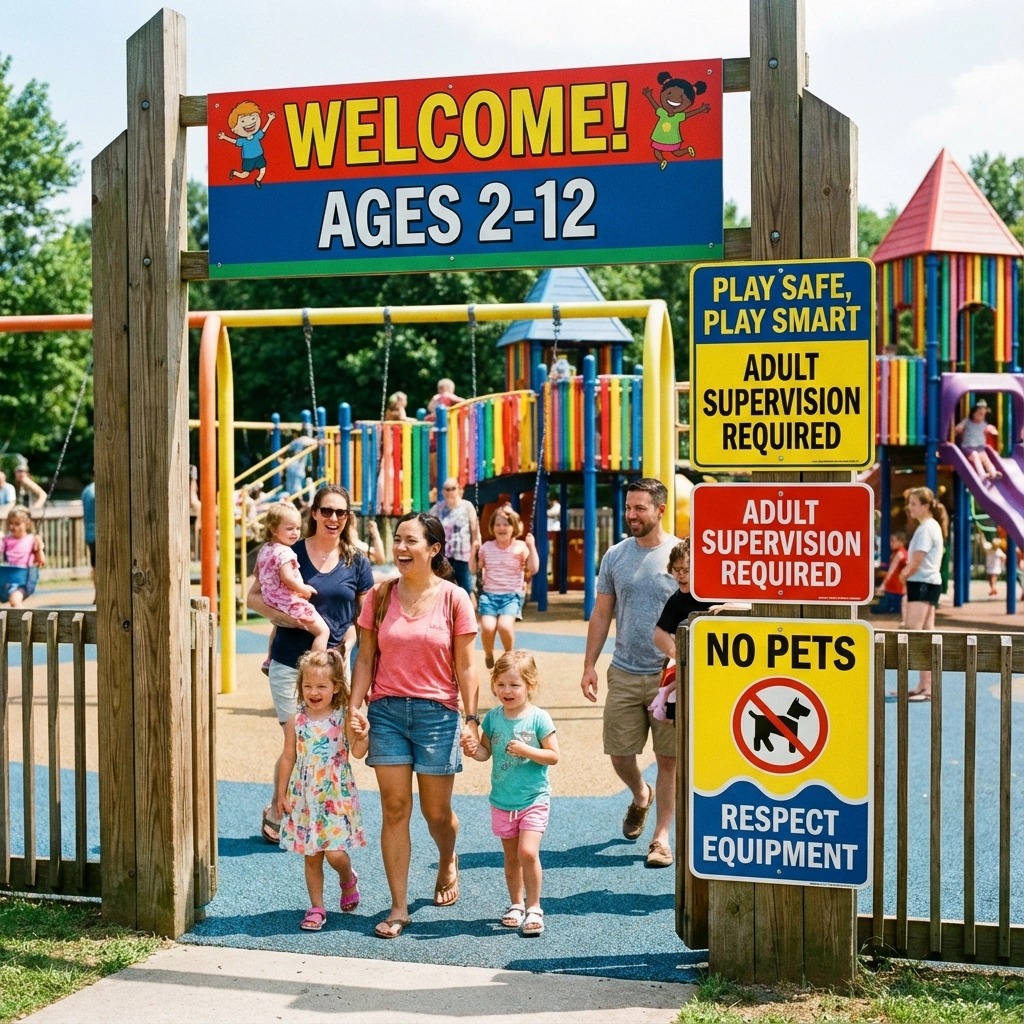
Signs aren't just suggestions anymore – they're safety tools! The 2025 guidelines place much greater emphasis on warning signage, especially for entanglement and strangulation risks.
What's changed: Updated labeling standards now require more prominent warnings about entanglement hazards like drawstrings and cords. Age-appropriate usage signs and supervision recommendations also get more detailed guidance.
Why it matters: Clear signage helps parents and caregivers understand potential risks and age-appropriate use, preventing accidents before they happen.
Action step: Review all existing signage at your playgrounds and upgrade any signs that don't meet the new visibility and content standards.
5. Active Supervision Integration
Supervision isn't an afterthought anymore – it's built right into playground design recommendations! The 2025 guidelines integrate supervision considerations throughout the planning process.
What's changed: Instead of treating supervision as a separate topic, the new handbook weaves supervision recommendations into design, layout, and equipment selection guidance. This includes sight lines, monitoring zones, and accessibility for supervising adults.
Why it matters: When playgrounds are designed with supervision in mind, adults can more effectively watch multiple children and respond quickly to potential problems.
Action step: Evaluate sight lines and adult accessibility at your existing playgrounds. Consider adding benches or observation areas where supervision gaps exist.
6. Clarified Hazard Areas and Equipment Standards
The 2025 update gets very specific about hazards that have caused real injuries! Updated language covers projections, entanglement risks, and impalement hazards with precise specifications.
What's changed: You'll find sharper language and updated test methods for bolt threads, hook gaps, and suspended components like ropes, cables, and tubes. Musical elements now have clearer guidance about exposed ends, and the rules around these features are much more specific.
Why it matters: These updates directly address injury patterns that emergency rooms have been seeing. Following these guidelines means fewer kids getting hurt on your playgrounds.
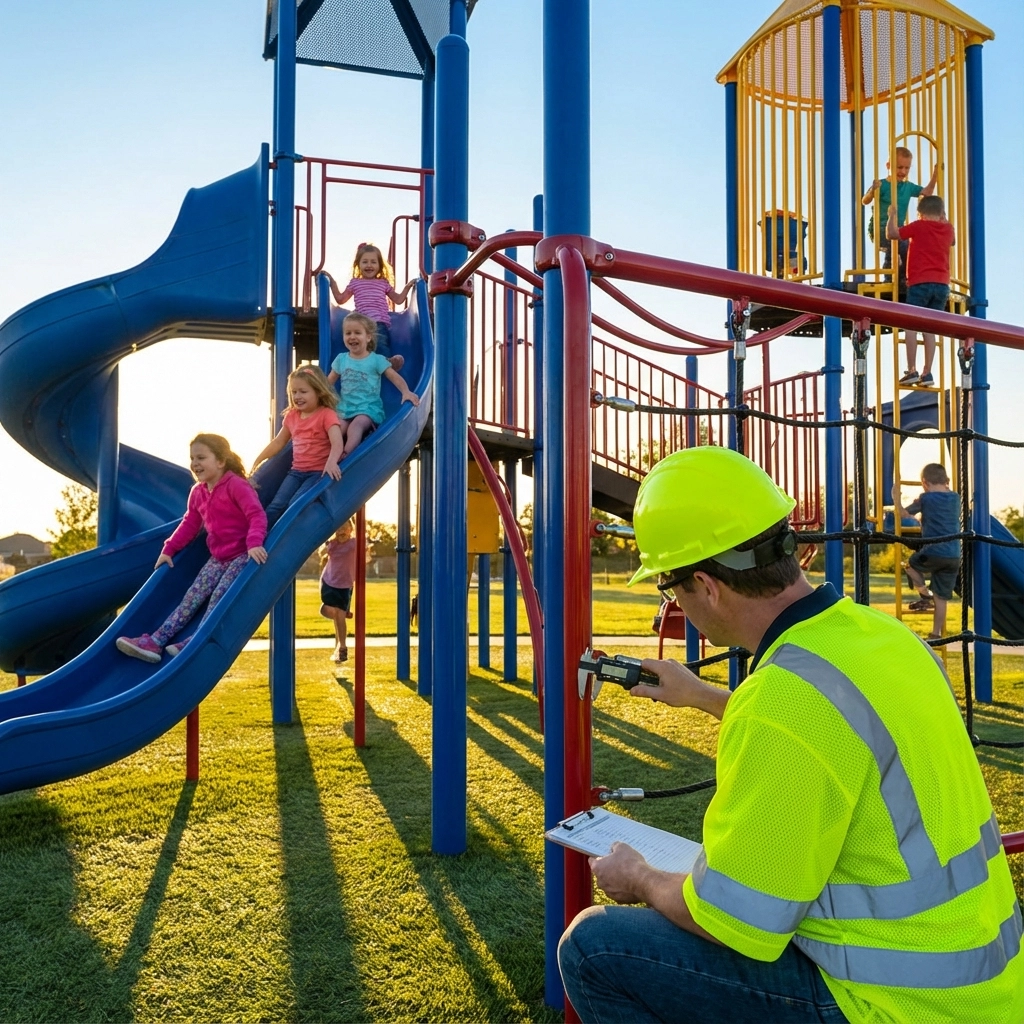
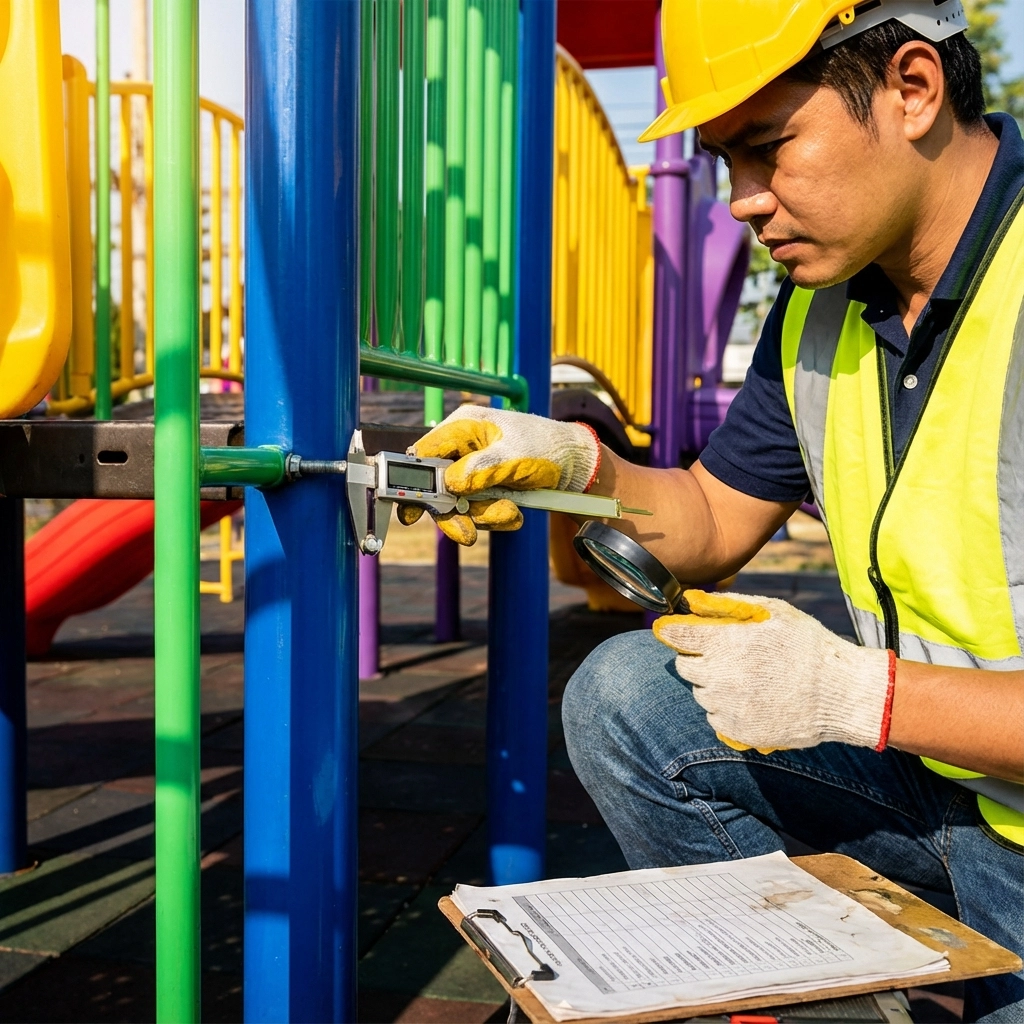
Action step: Conduct detailed inspections focusing on bolt protrusions, gaps in suspended elements, and any musical or interactive features.
7. Head Entrapment and Opening Standards
Head entrapment prevention gets reinforced in 2025 with maintained strict guidance on partially bounded openings! The CPSC rejected proposed exemptions and kept strong protections in place.
What's changed: The handbook reexamined gaps between structural parts and confirmed that partially bounded openings below 24 inches must follow strict hazard guidelines. No exceptions were granted, even for newer equipment designs.
Why it matters: Head entrapment is one of the most serious playground hazards, often resulting in fatal injuries. These maintained standards ensure consistent protection across all playground equipment.
Action step: Use proper head entrapment probes during all playground inspections and prioritize fixing any openings that don't meet current standards.
Why These Updates Matter for Your Community
These aren't just regulatory changes – they're your toolkit for creating playgrounds that serve families safely for years to come! With playground-related emergency room visits still happening at alarming rates, implementing these guidelines can significantly reduce your community's injury risk.
Budget planning: Factor these guidelines into your playground replacement and maintenance budgets. Equipment that meets 2025 standards will likely have better longevity and lower liability exposure.
Insurance considerations: Many insurers are already incorporating these guidelines into their risk assessments. Compliance could impact your coverage options and premiums.
Community trust: Families notice when their local playgrounds prioritize safety. Following current guidelines demonstrates your commitment to child welfare.
Your Next Steps
Ready to put these guidelines into action? Start with a comprehensive audit of your existing playgrounds using a certified playground safety inspector (CPSI). Focus on surfacing condition, fencing adequacy, entrapment hazards, and equipment wear.
For new playground projects, make sure your equipment vendors can demonstrate compliance with all 2025 guidelines before finalizing any purchases. Don't forget to budget for ongoing maintenance and periodic updates – playground safety is an ongoing investment, not a one-time expense!
The 2025 CPSC guidelines represent the best current knowledge about keeping kids safe while they play. By implementing these recommendations, you're not just following guidelines – you're creating spaces where children can explore, grow, and make memories safely.
Your community's families are counting on you to provide safe play spaces, and these updated guidelines give you exactly the tools you need to deliver on that promise!