Planning a splash pad for your community? You're about to embark on one of the most rewarding projects that'll bring families together for years to come! But here's the thing – choosing the right splash pad isn't just about picking the coolest water features (though that's definitely fun). It's about creating a safe, accessible, and sustainable aquatic playground that serves your entire community.
Let's dive into everything you need to know to make the best decision for your city or community!
Location, Location, Location – Your Foundation for Success
The secret to a thriving splash pad starts with choosing the perfect spot. You want a location that screams "come play here!" to families driving by, walking through the neighborhood, or planning their weekend activities.
Accessibility is absolutely crucial. Your splash pad should be easily reachable by public transport, on foot, and by car. Think about those families with strollers, grandparents with mobility aids, and teenagers who might bike over after school. The more accessible your location, the more your community will actually use it!
Proximity to densely populated residential areas with families ensures you'll have regular visitors, while visibility from main traffic routes acts like a natural billboard. Urban areas benefit tremendously from splash pads in dense residential zones – they help reduce those heat islands and provide much-needed play spaces. In suburban or rural communities, these aquatic playgrounds often become the heart of seasonal events and family gatherings.
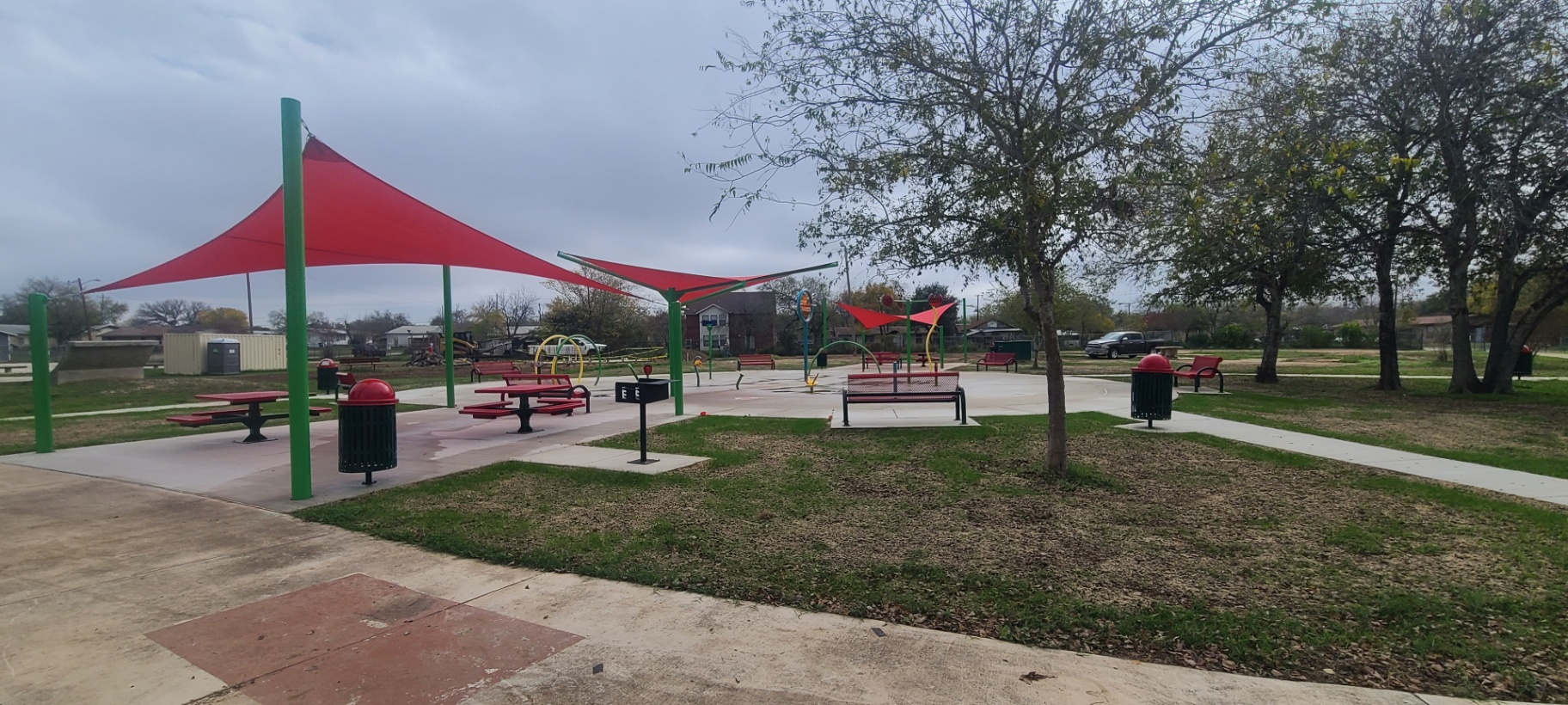
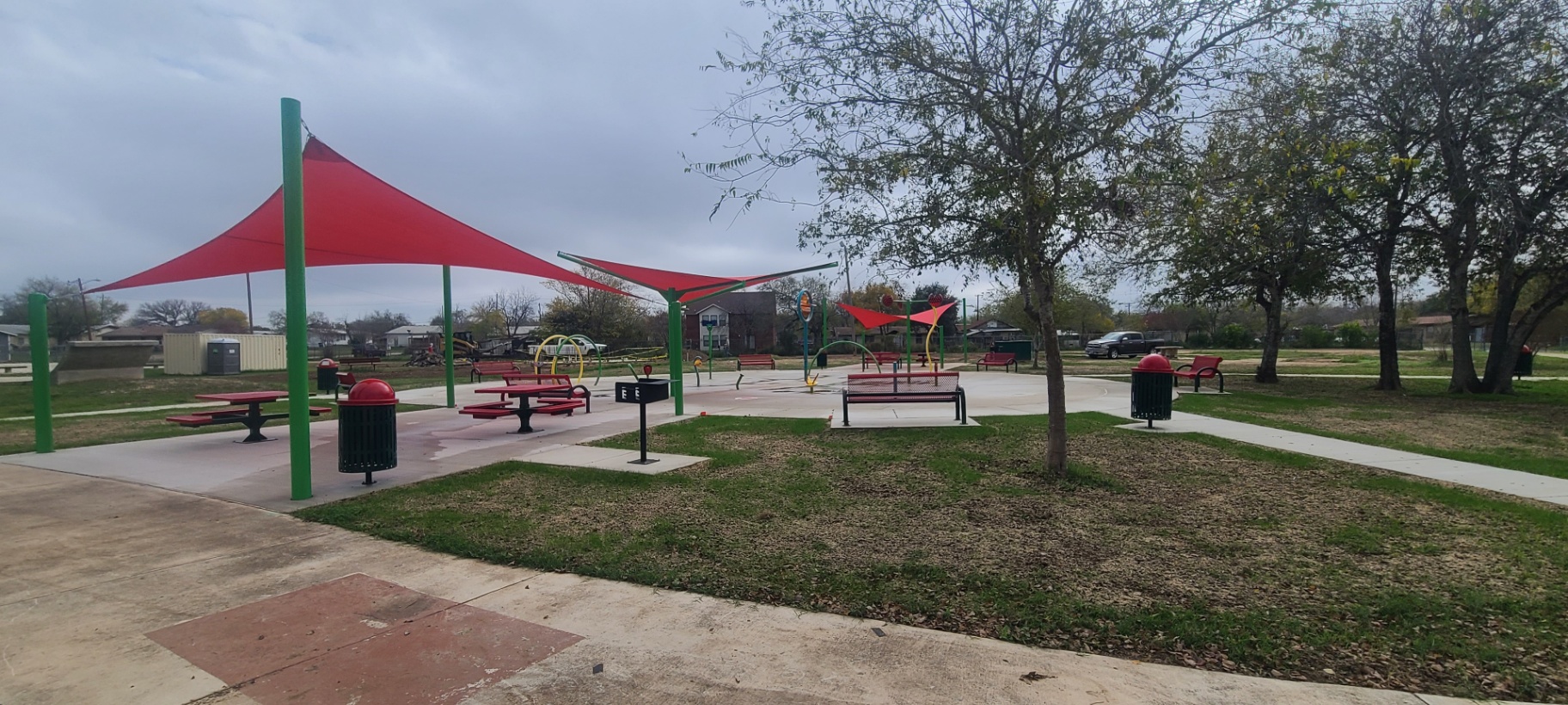
Here's a pro tip: Look for sites near schools, community centers, and shopping areas. These create incredible synergies that boost your splash pad's value and usage. Plus, visibility is your best marketing tool – the more people can see your splash pad, the more it markets itself!
Infrastructure Essentials – The Backbone of Your Project
Before you get too excited about water features and themes, you need to tackle the not-so-glamorous but absolutely critical infrastructure requirements. Trust me, getting this right from the start will save you headaches and money down the road!
Water, Power, and Drainage – The Holy Trinity
Three things will make or break your project: water availability, electrical power, and wastewater lines. Proximity to drinking water, wastewater, and electrical networks can significantly reduce your installation costs. These factors determine both the technical and economic feasibility of your entire project.
You'll need to choose between two main water management systems: drain-away systems or recirculation systems. Each has its own benefits and requirements, so you'll want to work with experts to determine which fits your community's needs and environmental goals best.
Don't Forget About Drainage!
Effective drainage prevents water accumulation and keeps surfaces safe. Nobody wants a splash pad that turns into a swamp after use! Thoughtful design includes creating designated splash zones to protect surrounding landscapes and optimizing the pad size to balance cost with play value.
Site Assessment – Working With What You've Got
Every site tells a story, and yours has unique characteristics that can either work for you or against you. A thorough site assessment examining topography, soil conditions, and available space is your roadmap to success.
Sun and Shade – Nature's Climate Control
Sun orientation directly impacts user comfort and your energy costs. The ideal setup? A site with optimal morning sunlight and natural afternoon shade. Think about it – nobody wants to play on scorching hot surfaces in the middle of summer! Incorporating shaded areas through structures or natural tree coverage protects users and extends your operating season.
Space Planning That Makes Sense
You need adequate space not only for the splash pad itself but also for mechanical equipment, parking, and those all-important amenities. An oversized play area might seem empty and uninviting, while one that's too small will be overcrowded during peak times. It's all about finding that sweet spot for your community size!
Design Features That Wow Every Age Group
Now comes the fun part – designing an aquatic playground that'll have kids (and let's be honest, adults too) absolutely thrilled to visit!
Age-Appropriate Zones Are Game-Changers
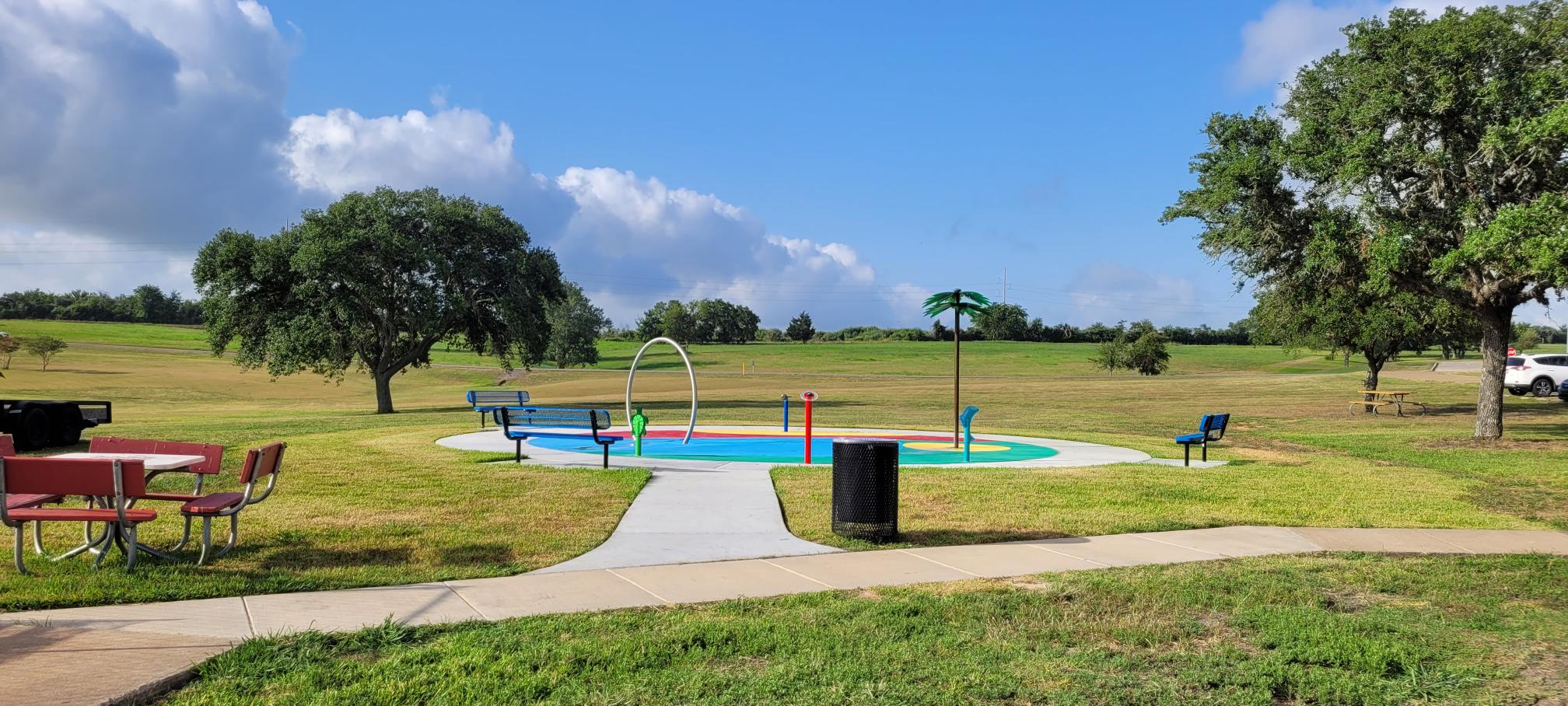
The best splash pads cater to everyone from toddlers taking their first tentative steps into water play to teenagers looking for more adventurous features. Separate areas for different age groups ensure safety and maximize enjoyment for all users.
Consider interactive features that align with your community's personality and budget. Maybe you want affordable pool slides for your play pools, or perhaps zero-depth play pads work better for your space. Community input should absolutely guide these decisions!
Materials That Last
Choose materials that can handle everything your climate throws at them – UV exposure, temperature fluctuations, and constant water exposure. High-quality, slip-resistant, and corrosion-resistant materials contribute to longevity and reduce maintenance headaches. The surface requires special attention since it needs to be water-impervious and nonporous to prevent mold and biological buildup.
Safety and Compliance – Non-Negotiables for Peace of Mind
Safety isn't just important – it's everything when it comes to commercial playground equipment and aquatic features. You absolutely must adhere to local and state regulations governing water features and public spaces.
Permits and Regulatory Requirements
Splash pads face unique zoning requirements whether they're on public or private land. One of your first conversations should be with your city about required building permits and zoning regulations. Each site comes with its own regulatory challenges, from flood zones to historical preservation areas and local zoning laws.
ADA Compliance From Day One
Design with accessibility in mind from the very beginning! Elevated features need proper transfer platforms, steps, ramps, landings, maneuvering space, and handrails that comply with ADA requirements. This ensures every community member can enjoy your facility – and that's what community spaces should be all about!
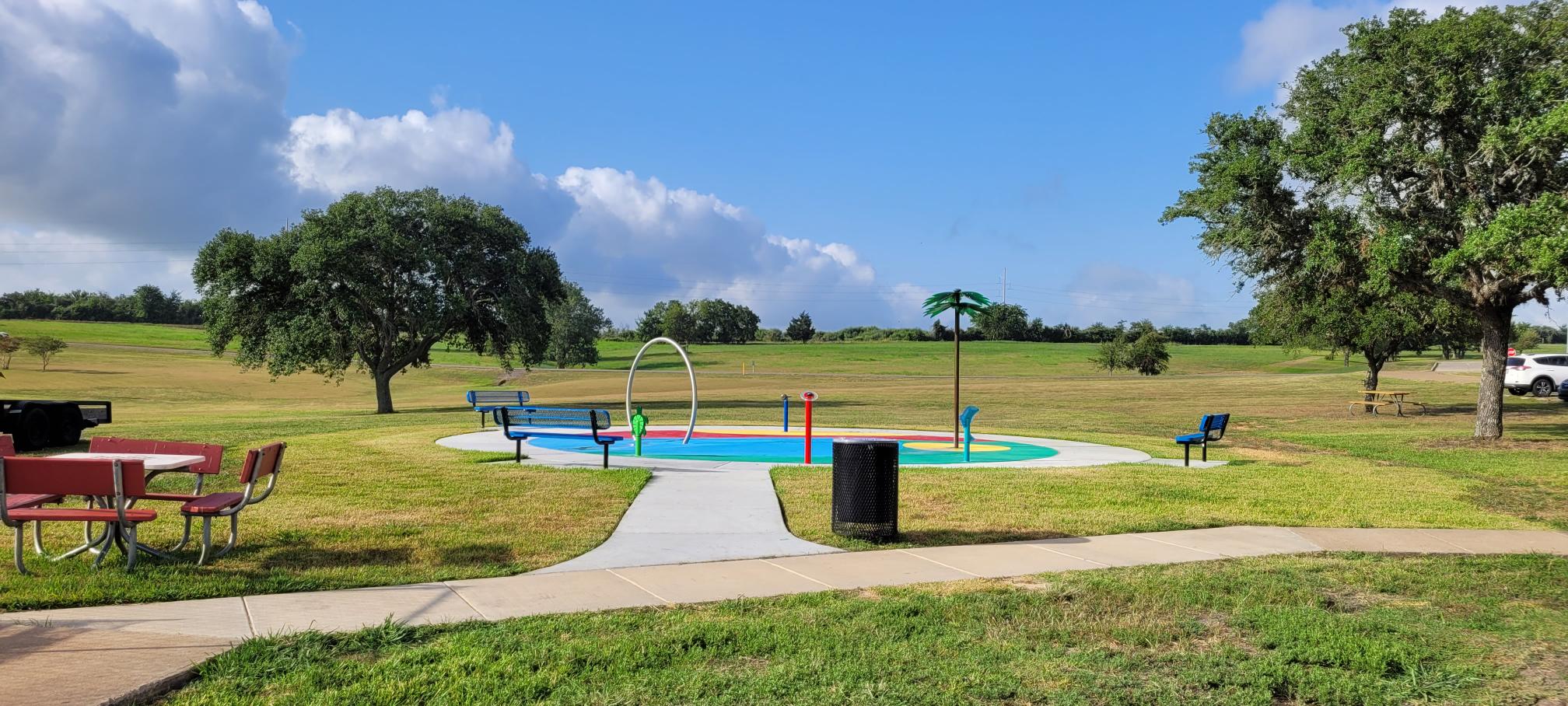
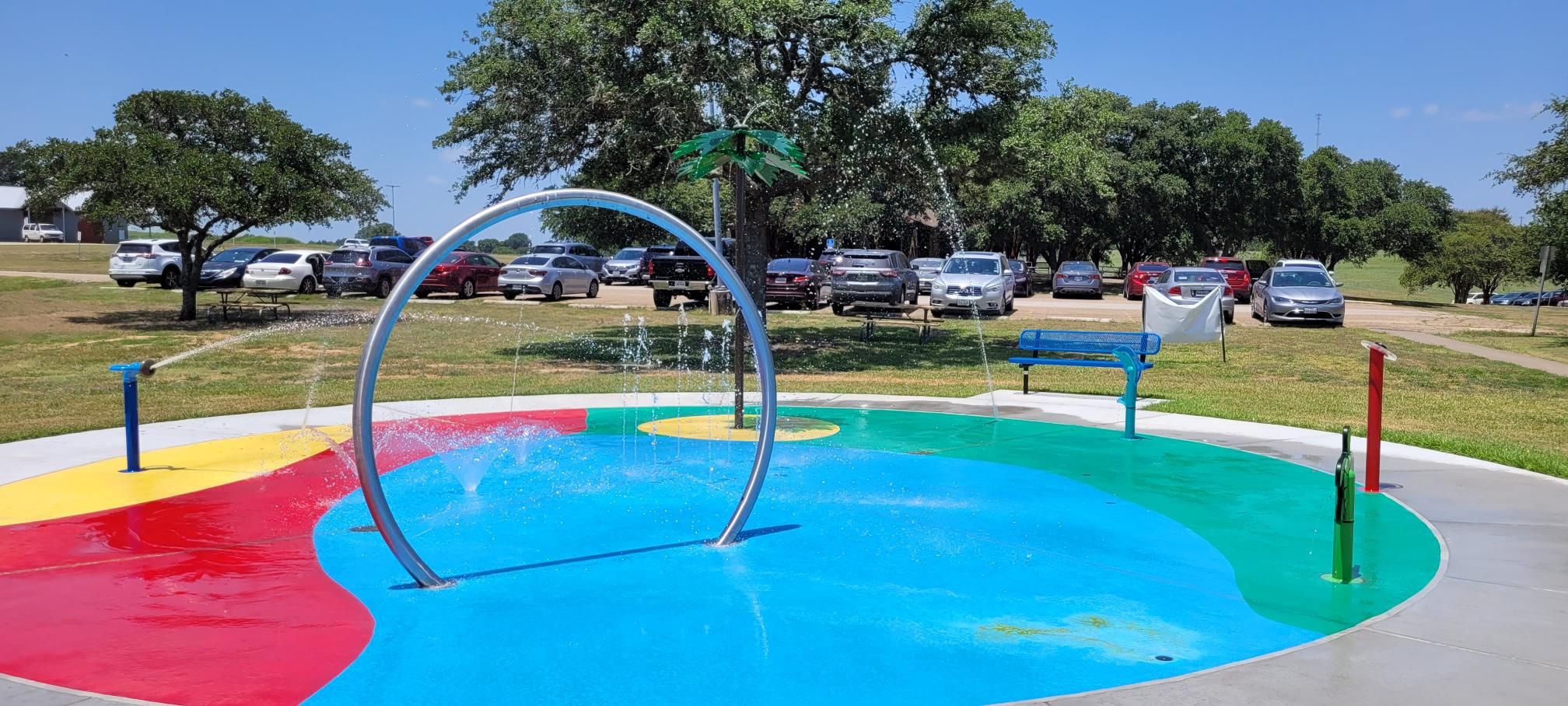
For more detailed information about playground safety standards, these guidelines are essential reading for any community project.
Budget Planning – Making Your Dreams Financially Feasible
Let's talk money – because even the most amazing splash pad concept needs realistic financial backing to become reality.
Understanding Total Project Costs
Your comprehensive budget should cover design, equipment, installation, and ongoing maintenance costs. Don't forget about additional expenses like surfacing, drainage, and site preparation. It's crucial to consider both initial capital costs and long-term operational expenses.
Analyze your local population density, existing facilities, and seasonal attendance patterns to determine optimal sizing. The beauty of modern splash pad design is scalability – your installation can adapt to future needs, and modular solutions offer flexibility for demographic growth and changing community expectations.
Finding Funding Opportunities
Here's some great news: funding often becomes available through grants and community partnerships! Early consultation with neighbors and local stakeholders helps gain community acceptance while potentially opening funding opportunities you might not have known existed.
For detailed budget planning guidance, check out our comprehensive guide on commercial playground budgets.
Essential Amenities – Creating a Complete Family Destination
A splash pad is fantastic, but the supporting amenities transform your site into a true community gathering place that families will love spending entire afternoons at!
Parking and Accessibility
Adequate parking is crucial – most municipalities require designated parking spaces for these amenities anyway. Ensure access is suitable for strollers and people with mobility challenges.
Restrooms – The Make-or-Break Amenity
Proximity to bathrooms is a major consideration that directly impacts usability. Check local codes for required bathroom types and distance requirements. Sometimes existing bathrooms can work with the addition of connecting paved sidewalks.
The Extras That Make All the Difference
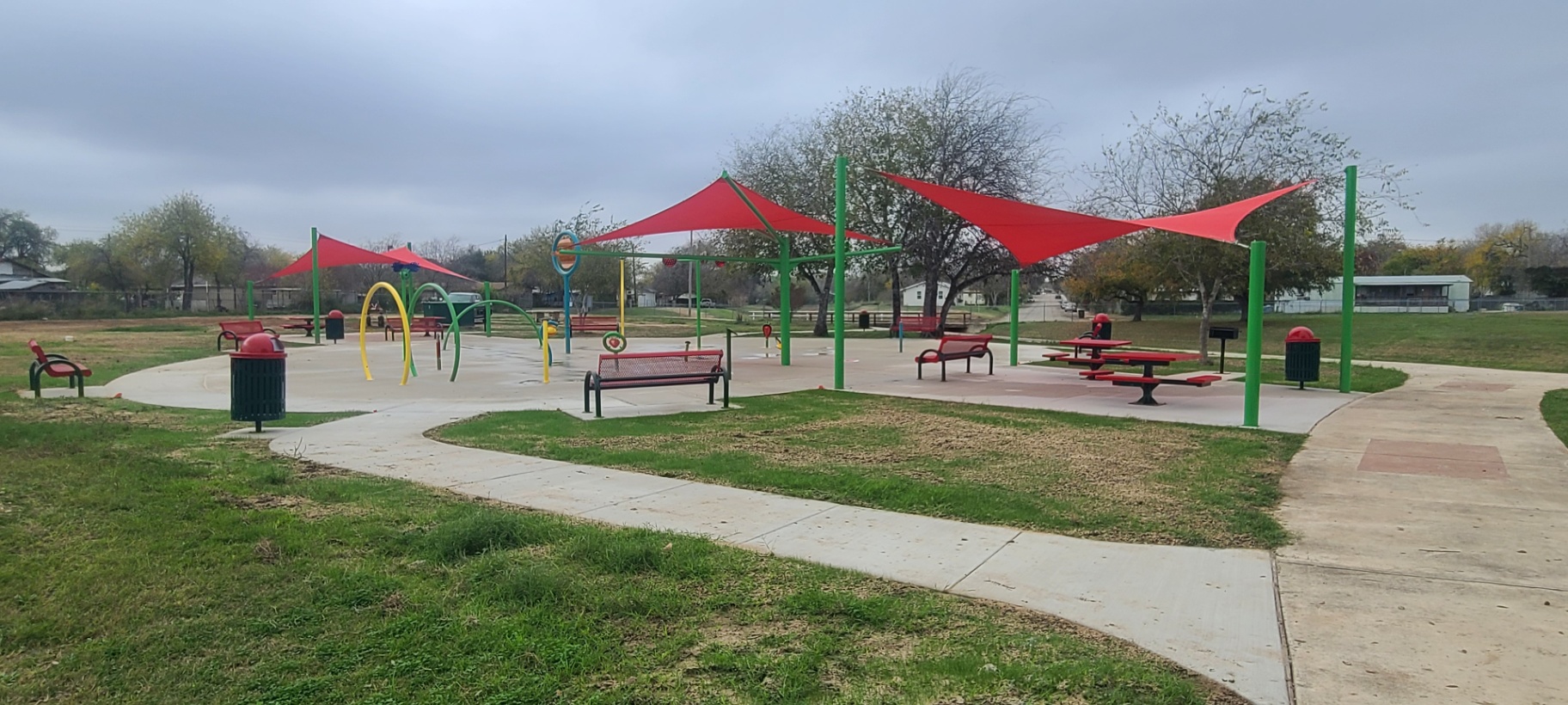
Picnic areas, shaded green spaces, and pedestrian connections to sidewalk or trail systems increase usability and community engagement. These complementary features extend visit duration and frequency while boosting user satisfaction.
Choosing Your Team – Partners Who Get It Right
Selecting the right suppliers and contractors is absolutely critical to your project's success. Look for partners with proven track records, positive client reviews, and adherence to industry standards.
Experienced contractors can assess your site's feasibility and recommend layout options that maximize both usability and longevity. Site selection expertise is just as important as technical installation skills – you want a team that can offer options that minimize challenges while maximizing value.
Environmental Responsibility – Building for the Future
Today's communities increasingly value eco-friendly solutions, and splash pad design offers fantastic opportunities for environmental stewardship. Consider water conservation measures, sustainable practices, and the overall environmental impact on surrounding areas.
Recirculation systems, when feasible, can significantly reduce water consumption compared to flow-through systems. These choices not only benefit the environment but often reduce long-term operational costs too!
Community Engagement – Building Support and Excitement
The most successful splash pads are those that truly reflect their community's needs and desires. Gathering feedback from residents and stakeholders ensures your aquatic playground meets actual needs rather than assumed preferences.
This input should inform decisions about design features, target age groups, accessibility requirements, and aesthetic themes. Community involvement during planning builds support and increases the likelihood of well-utilized facilities that become genuine community assets.
Ready to start planning your community's ultimate splash pad destination? By systematically addressing location, infrastructure, design, safety, budget, and community needs, you'll create an aquatic playground that brings families together and strengthens community bonds for generations to come!