
Planning a commercial playground project? You're about to embark on one of the most exciting investments your organization can make! But here's the thing – playground budgeting can feel like navigating a maze if you don't know what to expect. The good news? We're here to break down everything you need to know so you can make smart financial decisions that create magical play spaces without breaking the bank.
Let's dive into the 10 essential budget insights that'll transform you from a playground planning rookie into a savvy buyer!
1. Your Budget Won't Split Evenly – And That's Totally Normal!
Here's something that surprises most first-time playground buyers: your budget allocation will look nothing like an even split. Based on industry data, here's how most successful projects break down:
- Equipment: 20-60% of your total budget
- Safety surfacing: 11-90% of your total budget
- Installation: 22-40% of your total budget
- Freight and delivery: 7-15% of your total budget
- Site amenities: 0-10% of your total budget

Notice that huge range in surfacing costs? That's because your choice between basic rubber mats versus a custom poured-in-place surface can dramatically impact your bottom line. Don't panic about these ranges – they simply reflect the incredible variety of options available to create your perfect playground!
2. Equipment Is Your Star Player (And Your Biggest Investment)
Your playground equipment typically represents 50-60% of your total project cost, making it the ultimate game-changer in your budget planning. This makes perfect sense when you think about it – the slides, climbers, and play structures are the heart and soul of what makes kids light up with excitement!
The key here is understanding that this major investment sets the tone for everything else in your project. When you invest in high-quality commercial playground equipment, you're not just buying playground pieces – you're creating experiences that'll bring joy for decades.
3. Different Facilities Need Wildly Different Budgets
Ready for some real-world numbers? Here's what successful playground projects typically cost by facility type:
- Public Parks: Around $232,100 average
- Schools: Around $139,600 average
- Kindergartens: Around $120,300 average
- Homeowner Associations: Around $75,000 average
These figures might seem intimidating at first glance, but they reflect the reality that a bustling public park needs to accommodate way more children and usage than a small residential community. Your budget should match your specific situation – not someone else's!
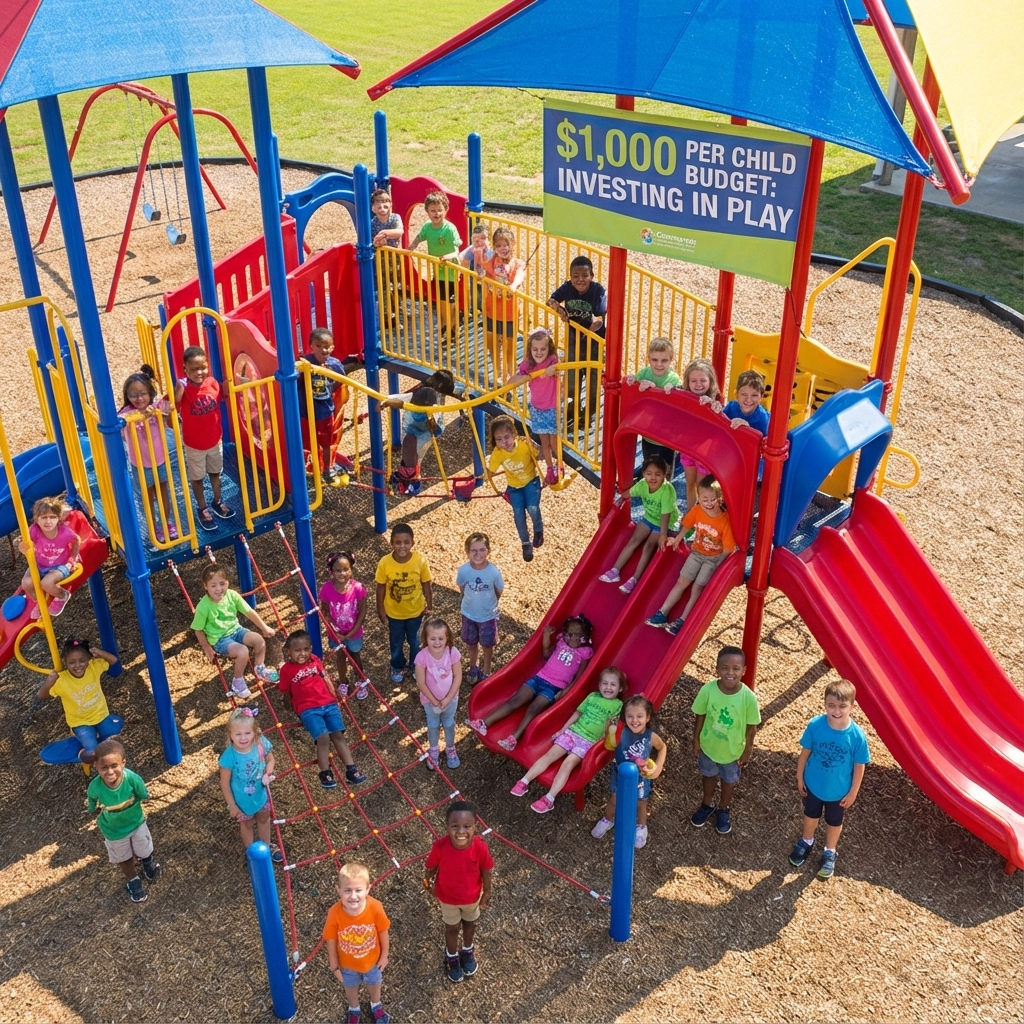
4. The Magic "$1,000 Per Child" Rule
Here's a fantastic rule of thumb that'll help you reality-check your budget expectations: plan for approximately $1,000 per child who will use the playground simultaneously. This simple calculation gives you a practical starting point for determining whether your initial budget aligns with your capacity goals.
So if you're planning for 25 kids to play at peak times, you're looking at around $25,000 as a baseline. This rule isn't set in stone, but it's an excellent gut-check tool that prevents both under-budgeting and going overboard!
5. Equipment Costs Span an Enormous Range
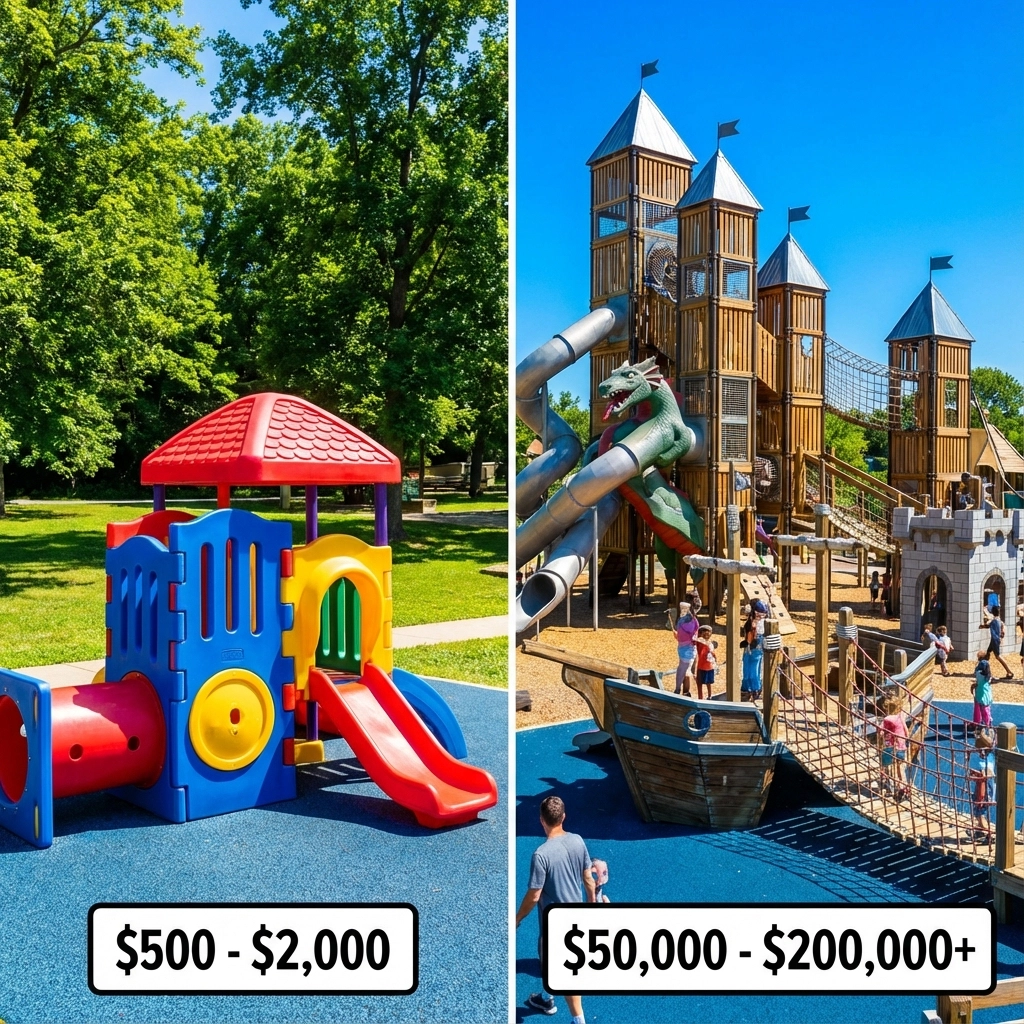
Playground equipment alone can cost anywhere from $8,000 to over $150,000, depending on size, complexity, and the age groups you're serving. A simple toddler play structure with a few climbing elements will fall on the lower end, while a massive multi-age playground with themed water slides and elaborate climbing towers will reach toward the higher range.
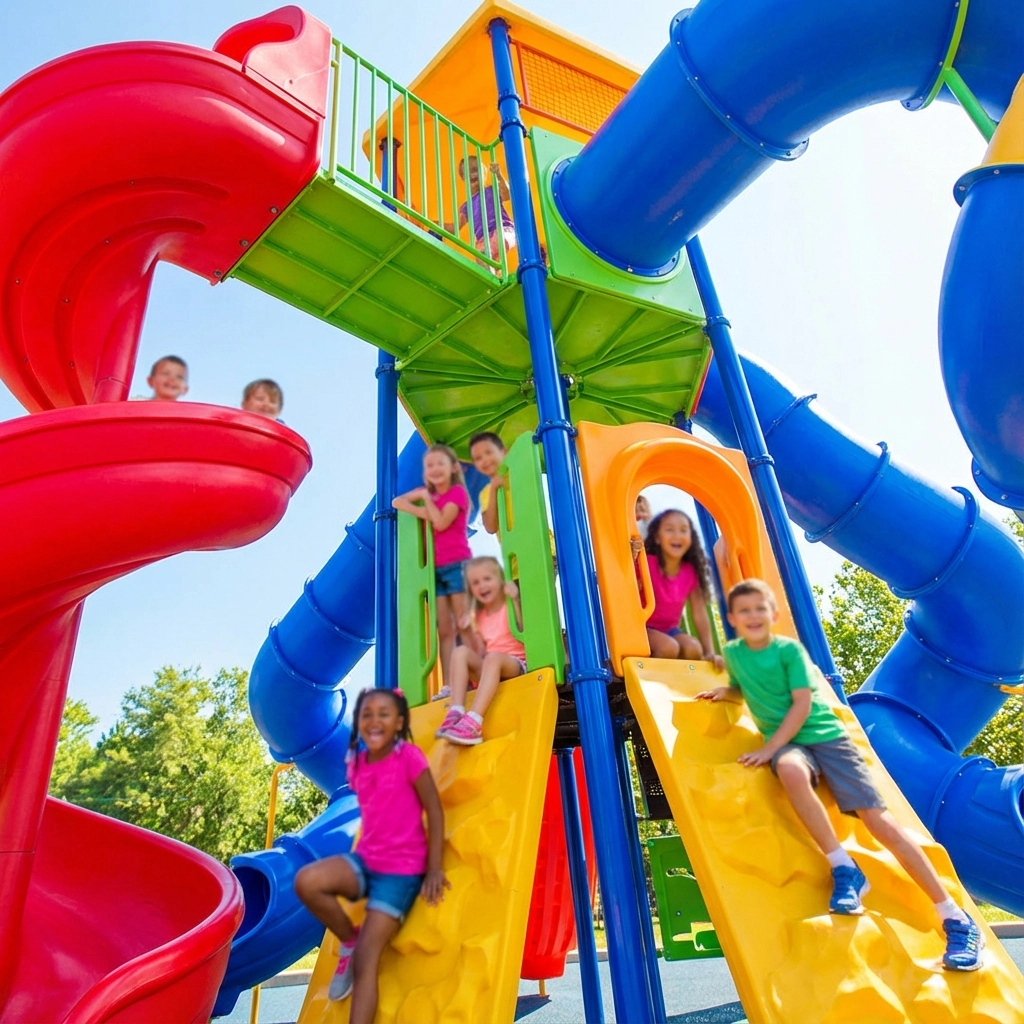
The secret is matching your equipment investment to your specific needs rather than getting caught up in either extreme. A well-designed $30,000 playground can create just as much joy as a $100,000 installation when it's properly planned for your space and users!
6. Material Choice Is Your Long-Term Budget Strategy
Your equipment material selection affects both your upfront costs and your maintenance budget for years to come. Here's the breakdown on popular options:
Robinia Wood: This natural material keeps long-term maintenance costs surprisingly low while providing that classic playground aesthetic kids and parents love.
Steel and HDPE: These materials shine in high-traffic areas or locations prone to vandalism, offering virtually maintenance-free operation that saves you money over time.
The smart play? Consider your specific environment, usage patterns, and maintenance capacity when making material decisions. Sometimes spending a bit more upfront saves you thousands in the long run!
7. Safety Surfacing Can Be Your Second-Biggest Expense
Here's where many playground planners get caught off guard – safety surfacing can consume anywhere from 11% to 90% of your total budget! This massive range depends on several factors:
- The type of surfacing material you select
- Fall-height requirements for your equipment
- Total square footage requiring coverage
- Site preparation needs

Remember, safety surfacing isn't just a budget line item – it's the foundation that keeps children safe during play. Safety standards in playground design are non-negotiable, so plan accordingly and don't try to cut corners here!
8. Installation Complexity Directly Impacts Your Bottom Line
Installation typically accounts for 22-40% of your total budget, but here's what most people don't realize – the complexity of your chosen playground design dramatically affects these costs. A simple, single-structure playground will fall toward the lower end, while elaborate designs with multiple components and intricate site requirements will push toward the higher range.
Pro tip: Working with a comprehensive supplier who handles everything from equipment to installation often costs less than coordinating multiple vendors. Plus, you'll have a single point of contact for any issues that arise!
9. Those "Little" Extras Add Up to Big Numbers
Beyond your core equipment and installation, budget for these often-overlooked essentials:
- Building permits and regulatory compliance
- Site preparation and grading work
- Shade structures and canopies
- Park amenities like benches and tables
- Border installations and accessibility ramps
- Removal of existing structures
These seemingly minor items can easily add 15-25% to your project cost if you don't plan for them upfront. The good news? Including them in your initial planning prevents budget surprises down the road!
10. Your Organization's Unique Needs Determine Everything
Here's the ultimate truth about playground budgeting: your organization's specific requirements should drive every financial decision. Consider these crucial factors:
Available space: A compact urban lot requires different solutions than sprawling suburban grounds.
User demographics: Are you serving toddlers, school-age kids, or multiple age groups simultaneously?
Special features: Do you need splash parks, outdoor fitness equipment, or accessibility accommodations?
Local regulations: Building codes and safety requirements vary significantly by location.
Maintenance capacity: Your long-term operational budget should influence material and design choices.
An inclusive playground designed for all abilities and ages requires more investment than a single-age-group facility, but the community impact and usage justify the additional cost.
Ready to Turn Your Playground Dreams into Reality?
Understanding these 10 budget realities transforms you from an overwhelmed planner into a confident decision-maker! Remember, every successful playground project starts with realistic budget expectations and clear priorities.
The most important takeaway? Don't let budget concerns prevent you from creating amazing play experiences. With proper planning and the right partner, you can build an incredible playground that fits your financial reality and exceeds your community's expectations.
Want to explore how these budget insights apply to your specific project? Our team specializes in helping organizations navigate playground budgeting and design decisions. Contact us to discuss your vision and discover how we can bring it to life within your budget!
Your community's next favorite gathering place is closer than you think – and now you have the budget knowledge to make it happen!