Playgrounds are magical places where kids learn, grow, and burn off energy! But here's the thing: even the most fun-looking playground can hide serious safety issues that most people completely miss. And what's even more surprising? Some of the things we worry about most aren't actually the biggest risks at all.
If you're a parks director, school administrator, HOA manager, or playground owner, understanding the real facts about playground safety (not just the myths) can literally save lives. Let's dive into the most common misperceptions about playground safety and what you actually need to know to keep kids safe!
Myth #1: If It's Made for Kids, It Must Be Safe
This is probably the biggest misconception out there, and it's a dangerous one!
Just because a playground was designed for children doesn't automatically mean it's safe. In fact, over 206,700 playground injuries happen every year in the United States, and nearly 80% of those result from falls. Equipment can have inadequate design features, improper surfacing, insufficient spacing between structures, and a whole host of other issues.
Here's the reality: Playgrounds need to meet strict safety standards set by organizations like ASTM International, the Consumer Product Safety Commission (CPSC), and be certified by the International Play Equipment Manufacturers Association (IPEMA). Even then, regular inspections and maintenance are crucial because equipment wears down over time.
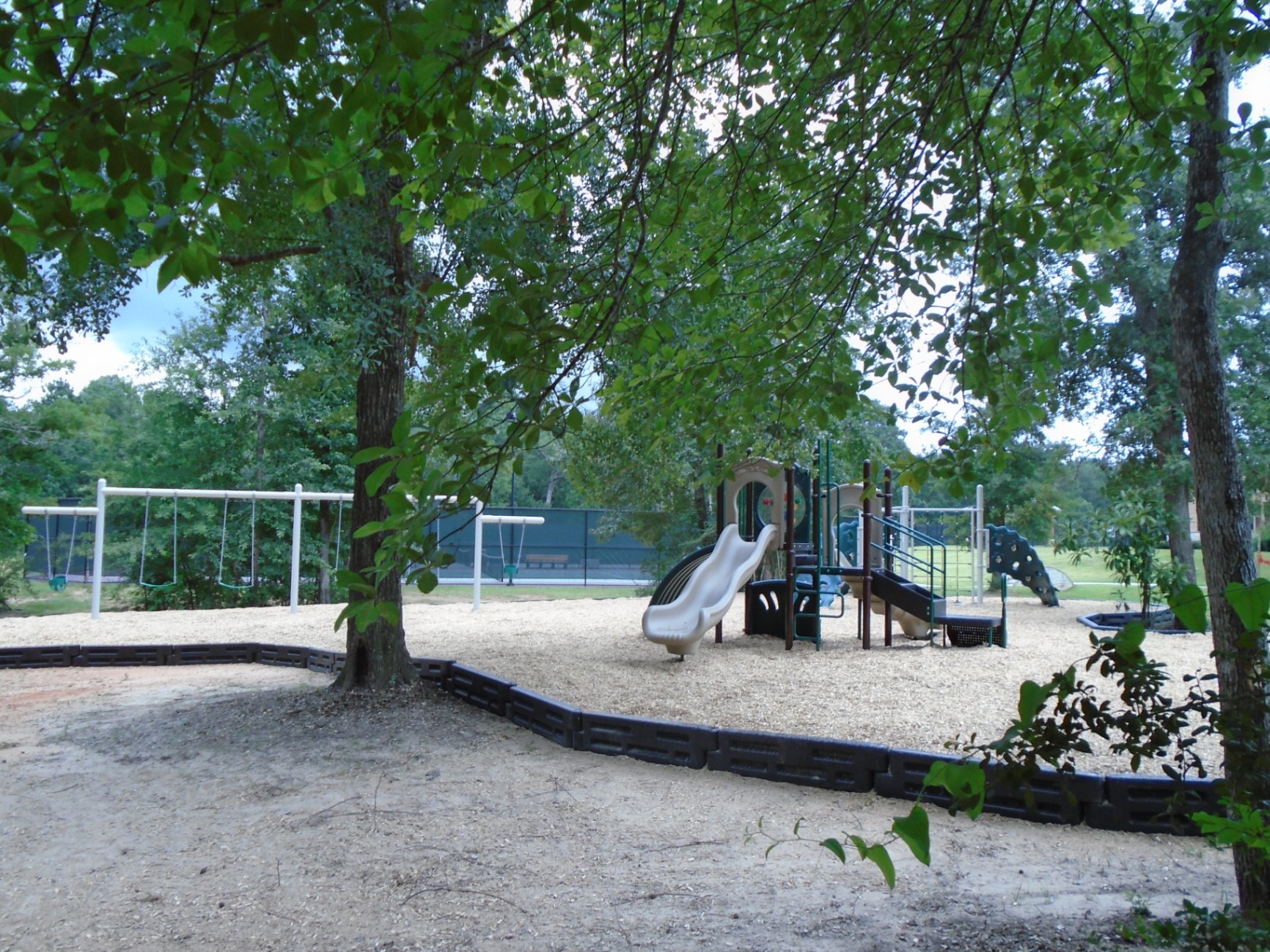
So what should you actually be looking for? Proper installation, appropriate safety surfacing with adequate depth, correct spacing between equipment, and regular professional inspections. At All Aquatics & Kids Playgrounds, we've seen countless playgrounds that looked fine at first glance but had serious compliance issues lurking beneath the surface.
Myth #2: The Higher the Equipment, The More Dangerous It Is
You might think that towering climbing structures are the biggest risk on your playground: but height alone doesn't tell the whole story!
While it's true that falls cause the majority of playground injuries, the height of the equipment isn't the only factor (or even the most important one). What really matters is having proper protective surfacing and adequate guardrails or barriers on elevated platforms.
A 6-foot climbing structure with proper engineered wood fiber surfacing at the correct depth is actually safer than a 3-foot structure sitting on packed dirt or grass. The key is ensuring that the impact-attenuation qualities of your safety surfacing match the critical fall height of your equipment.
According to CPSC guidelines, platforms higher than 30 inches need guardrails or protective barriers, and the safety surfacing must extend at least 6 feet in all directions from stationary equipment (and even farther for swings). Get these elements right, and height becomes much less of a concern!
Myth #3: Wooden Equipment Is Always Safer Than Metal
This comparison isn't as simple as it seems, and the answer might surprise you!
Both wood and metal playground equipment can be perfectly safe: or totally unsafe: depending on design, installation, maintenance, and environmental factors. Wood can splinter, crack, and deteriorate faster in certain climates. Metal can rust, develop sharp edges, and get dangerously hot in direct sunlight.
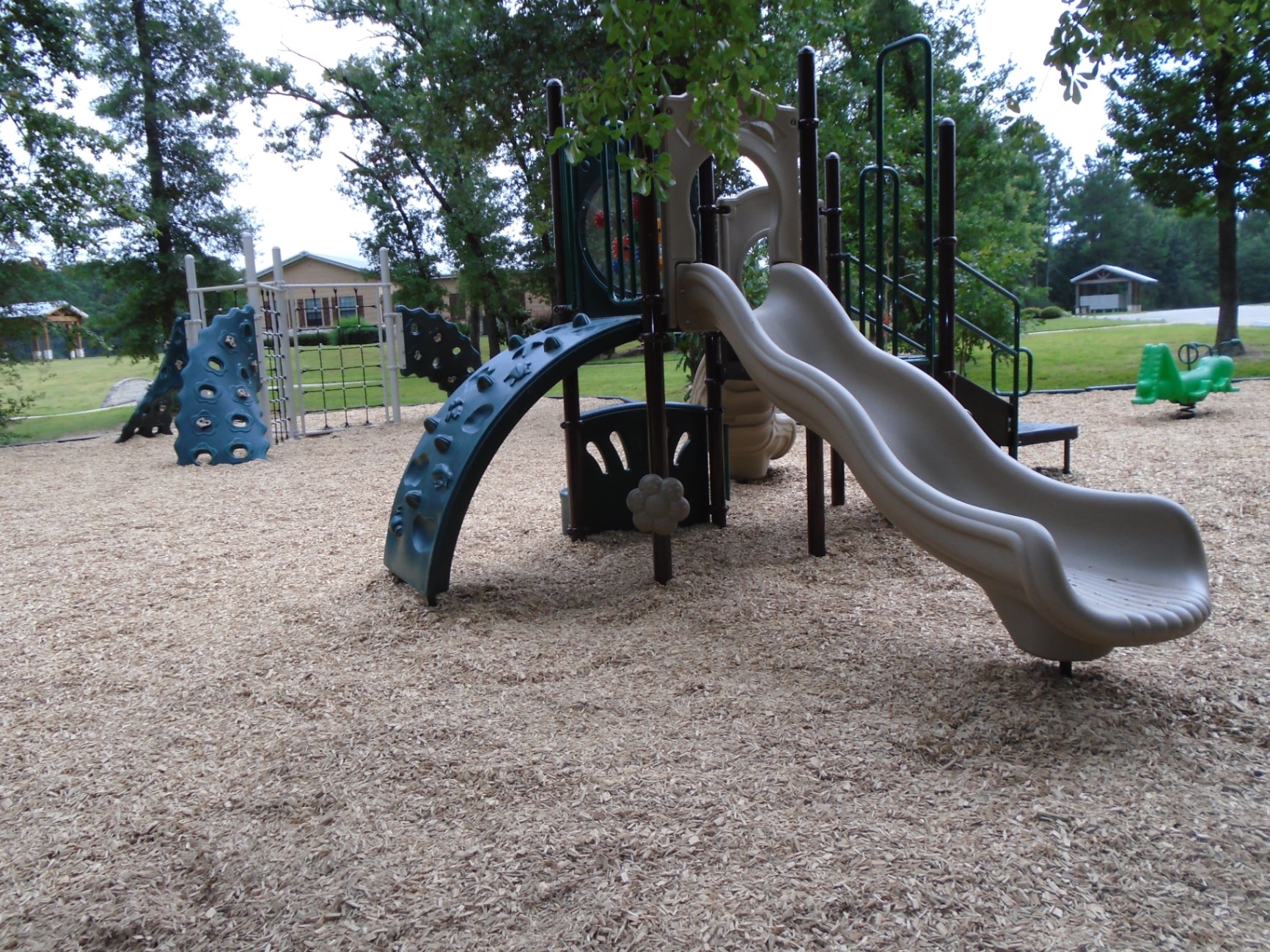
The real question isn't "wood or metal?" It's "Does this equipment meet current ASTM and CPSC standards, and is it being properly maintained?" Both materials have their advantages when used correctly. What matters most is regular inspection for hazards like protruding hardware, sharp edges, deteriorating materials, and entrapment spaces.
Our team at All Aquatics & Kids Playgrounds conducts comprehensive inspections that look beyond material type to evaluate the actual safety risks present in your specific playground environment.
Myth #4: Climbing Frames Are Too Dangerous
Here's where conventional wisdom gets it wrong again!
Traditional climbing frames that encourage slow, deliberate movement with firm grip opportunities are actually relatively safe when designed and installed properly. The real issue isn't climbing frames themselves: it's poorly designed multi-play structures that combine multiple equipment types in close proximity without adequate spacing.
Kids naturally move faster on complex structures, and when equipment is too close together, minor bumps and collisions become more common. But that doesn't mean climbing should be avoided! Climbing equipment helps children develop crucial motor skills, strength, coordination, and confidence.
The solution? Ensure your climbing equipment has:
- Proper spacing from other structures (at least 9 feet for equipment over 30 inches high)
- Impact-absorbing surfacing beneath and around it
- No head entrapment hazards (openings should be less than 3.5 inches or more than 9 inches)
- Regular inspection for wear and damage
The Real Hazards You Should Actually Worry About
Now that we've busted some myths, let's talk about what you should be paying attention to!
Improper Ground Surfaces
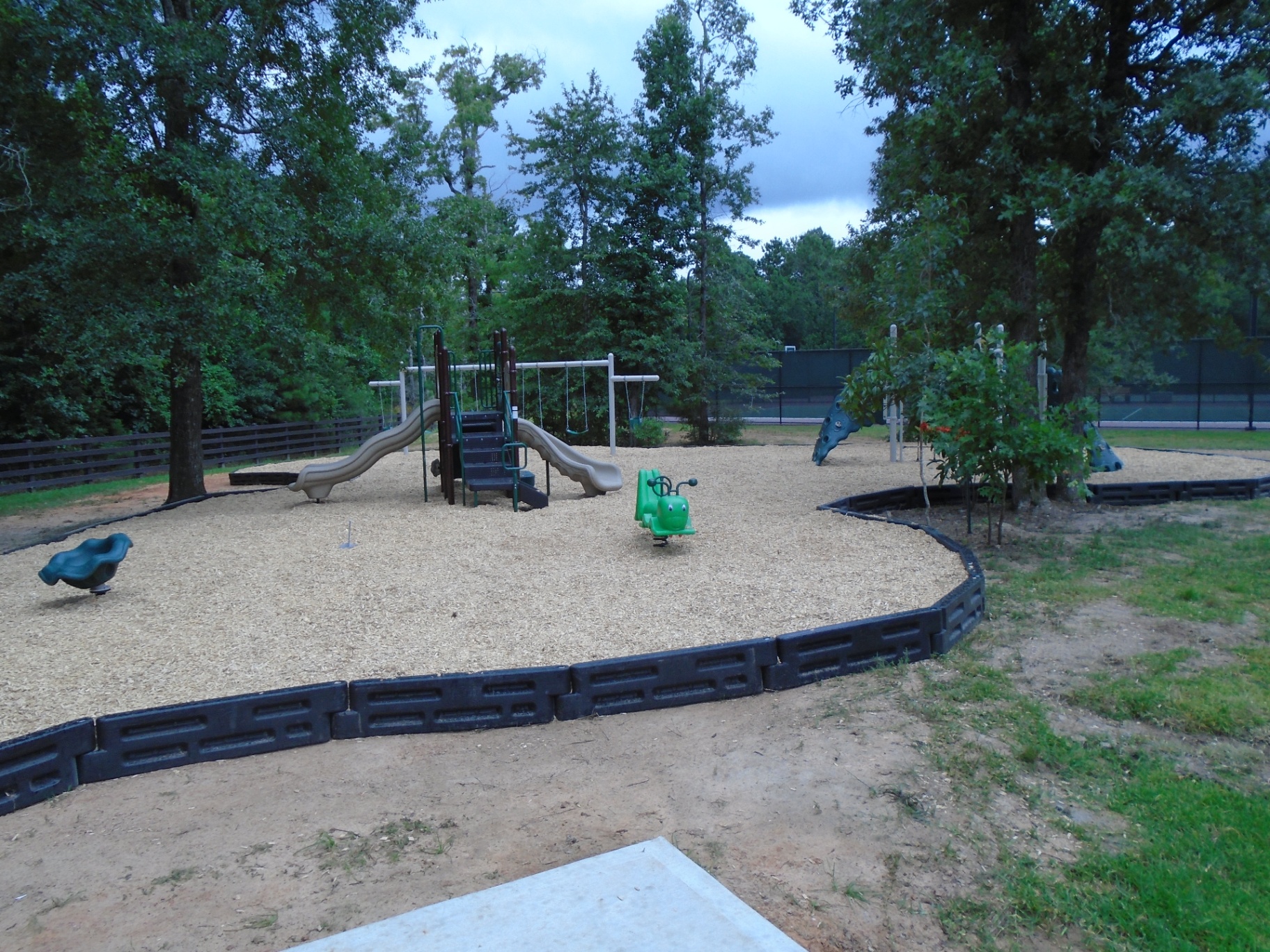
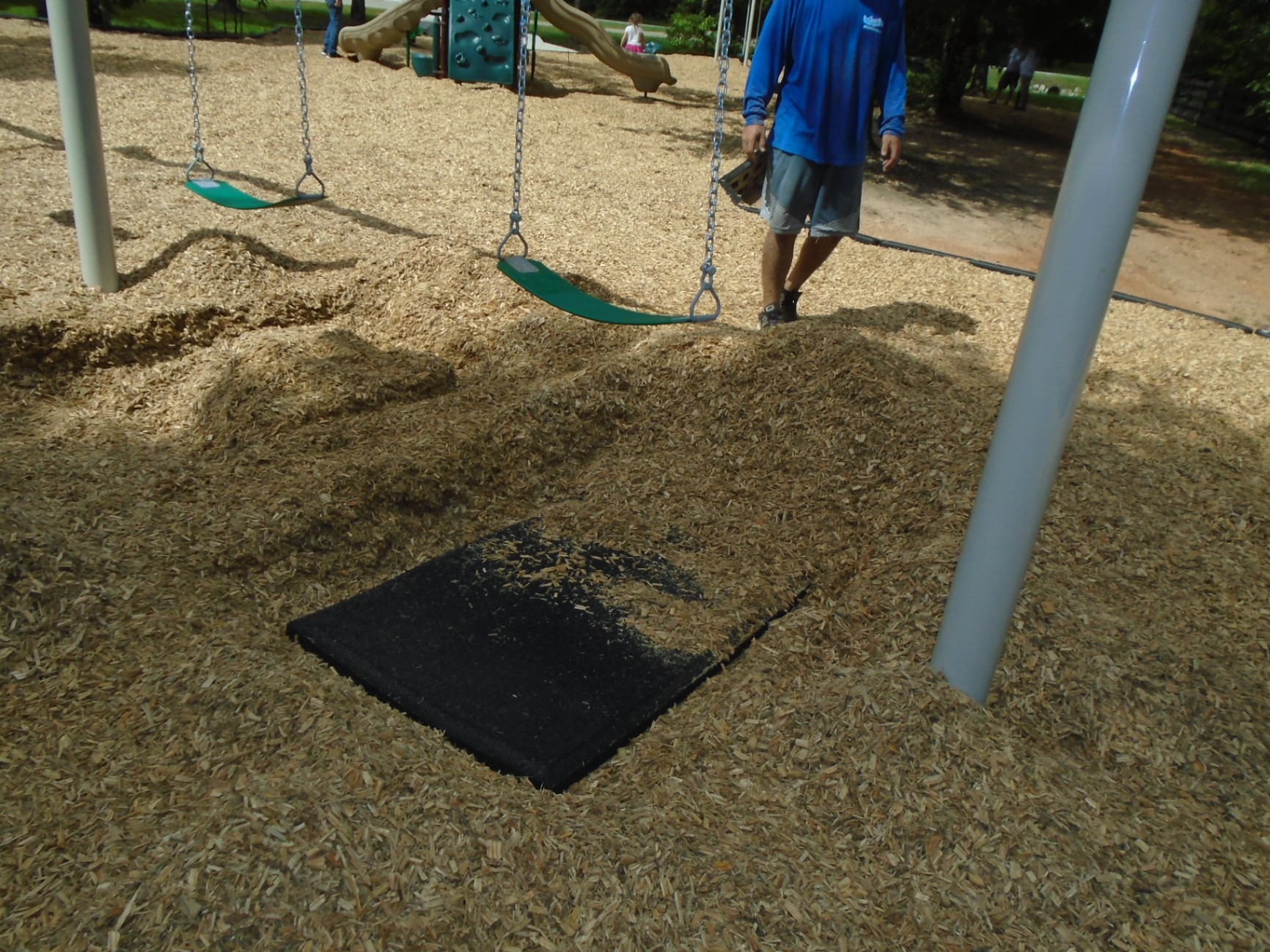
This is huge! Your safety surfacing is your first line of defense against fall injuries. You need at least 12 inches of wood chips, mulch, sand, pea gravel, or safety-tested rubber mats. Never install playground equipment over concrete, asphalt, grass, dirt, or bare gravel.
But here's what many people miss: even proper surfacing loses effectiveness over time as it compacts, disperses, or deteriorates. Regular maintenance and replenishment are absolutely essential!
Head Entrapment Hazards
Openings in guardrails, barriers, and equipment that measure between 3.5 and 9 inches create serious entrapment risks. A child's body can fit through these openings, but their head cannot, creating a strangulation hazard. Every opening on your playground should be measured and evaluated during inspections.
Insufficient Supervision
Here's a sobering statistic: Over 40% of playground injuries are directly related to lack of supervision. No matter how safe your equipment is, children need appropriate adult supervision during play. This means active monitoring, not just an adult being present nearby while looking at their phone!
Strangulation Hazards
This goes beyond the equipment itself. Drawstrings in clothing, bicycle helmet straps, jump ropes, and even dog leashes can catch on equipment and create strangulation risks. Make sure your playground has signage reminding parents about these hazards, and conduct regular inspections for any potential catching points on the equipment.
Equipment Spacing Issues
Swings need special attention here. The use zone for swings should extend twice the height of the suspending bar in front and back, and structures should be at least 9 feet apart (for equipment over 30 inches high). Inadequate spacing leads to collision injuries and limits safe play.
Why Professional Inspections Matter
You might be wondering, "Can't I just inspect my playground myself?" While routine checks are definitely helpful, there's no substitute for professional, certified playground inspections!
At All Aquatics & Kids Playgrounds, our certified playground safety inspectors (CPSI) understand the nuances of ASTM standards, CPSC guidelines, and ADA accessibility requirements. We know how to spot the early warning signs of equipment failure, surfacing deterioration, and compliance issues that untrained eyes typically miss.
Our comprehensive inspection reports give you a clear action plan for maintaining safety and compliance. Plus, regular professional inspections demonstrate due diligence: something that's increasingly important from both a safety and liability standpoint.
The Bottom Line
Playground safety isn't about eliminating all risk: it's about managing risk appropriately while still giving kids opportunities for active, challenging play. The key is separating myth from reality and focusing your attention (and budget) on the factors that actually matter most.
Ready to ensure your playground is genuinely safe? Understanding these common misperceptions is a great first step! The next step is partnering with experienced professionals who can evaluate your specific playground against current safety standards and help you maintain a space where kids can play with confidence.
At All Aquatics & Kids Playgrounds, we're here to help you navigate playground safety with expertise, thorough inspections, and ongoing maintenance support. Because when it comes to keeping kids safe, getting the facts right makes all the difference!
Want to learn more about playground safety standards? Check out our article on The Importance of Safety Standards in Playground Design for an even deeper dive into what makes playgrounds truly safe.