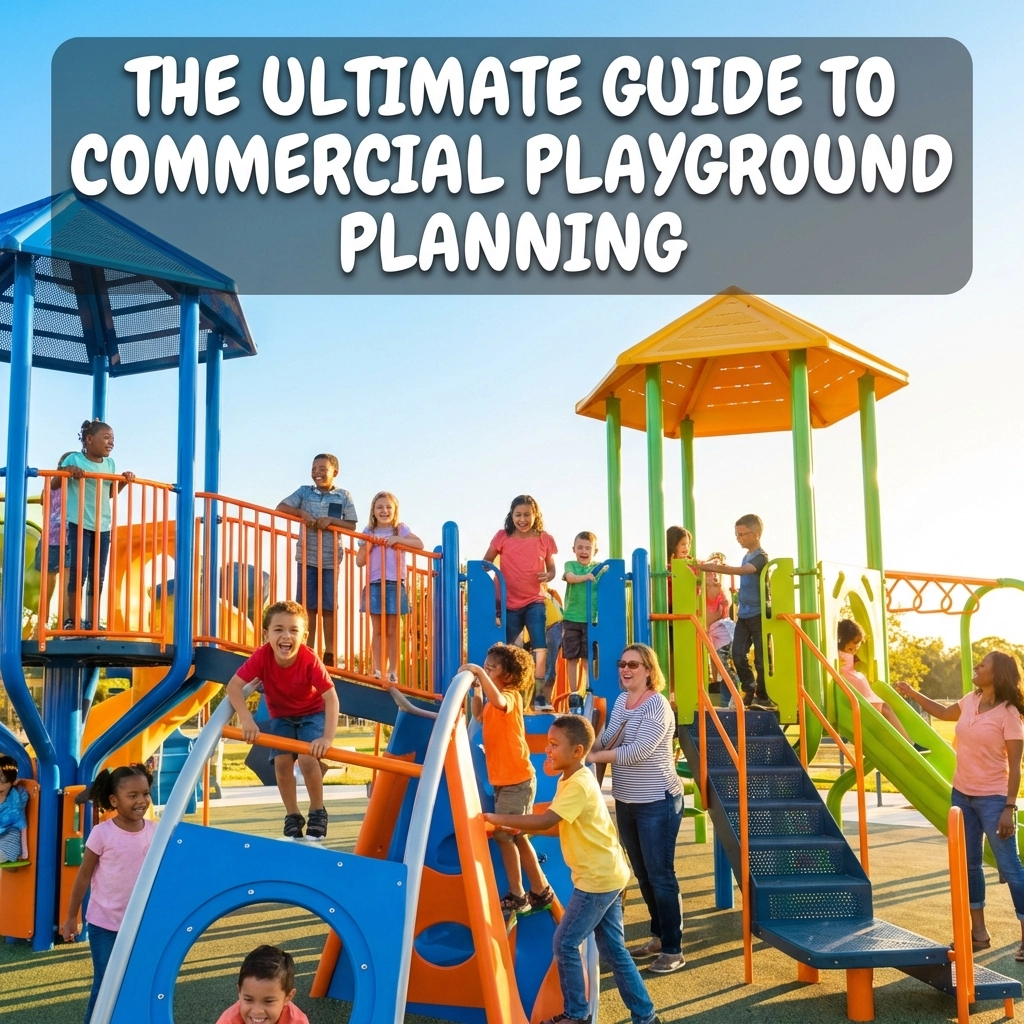
Planning a commercial playground that truly serves your community can feel overwhelming – but it doesn't have to be! Whether you're a municipality looking to upgrade your park system, a school district planning new outdoor spaces, or a property manager wanting to create an amazing amenity, this ultimate guide will walk you through every step of the process.
Let's dive into everything you need to know to create a playground that's safe, engaging, and built to last for decades!
Step 1: Establish Your Budget Foundation
Your budget is the backbone of your entire project, so let's get this right from the start! Even if funding might change based on grants or additional resources, having a realistic initial estimate guides every decision you'll make.
Here's how a typical commercial playground budget breaks down:
- Equipment: 20-50%
- Safety surfacing: 20-90% (varies widely based on material choice)
- Installation: 22-40%
- Freight and delivery: 7-15%
But wait – there's more! Don't forget these additional costs that can sneak up on you:
- Old equipment removal and disposal
- Site preparation and grading
- Shade structures and pavilions
- Park furniture like benches and tables
- Border edging and containment
- ADA-compliant ramps and pathways
Pro tip: Safety surfacing costs vary dramatically depending on your choice of materials. Engineered wood fiber might eat up 20% of your budget, while poured-in-place rubber could claim 60-90%. Work with experienced professionals who can help you balance safety, durability, and cost-effectiveness!
Step 2: Know Your Audience Inside and Out
Who's going to be playing on your playground? This isn't just a nice-to-know detail – it's absolutely critical for creating a space that's both safe and engaging!
Ask yourself these game-changing questions:
- What age ranges will be using the space most frequently?
- How many children typically play simultaneously during peak times?
- Are there specific accessibility needs in your community?
- What's the mix of toddlers, school-age kids, and tweens/teens?
Understanding your audience helps you select age-appropriate equipment that properly challenges kids while keeping them safe. A playground designed for 2-5 year olds looks completely different from one targeting 5-12 year olds – and for good reason!
Remember: Equipment that's too advanced creates injury risks, while equipment that's too simple leads to bored kids who might use it inappropriately.
Step 3: Analyze Your Space Like a Pro
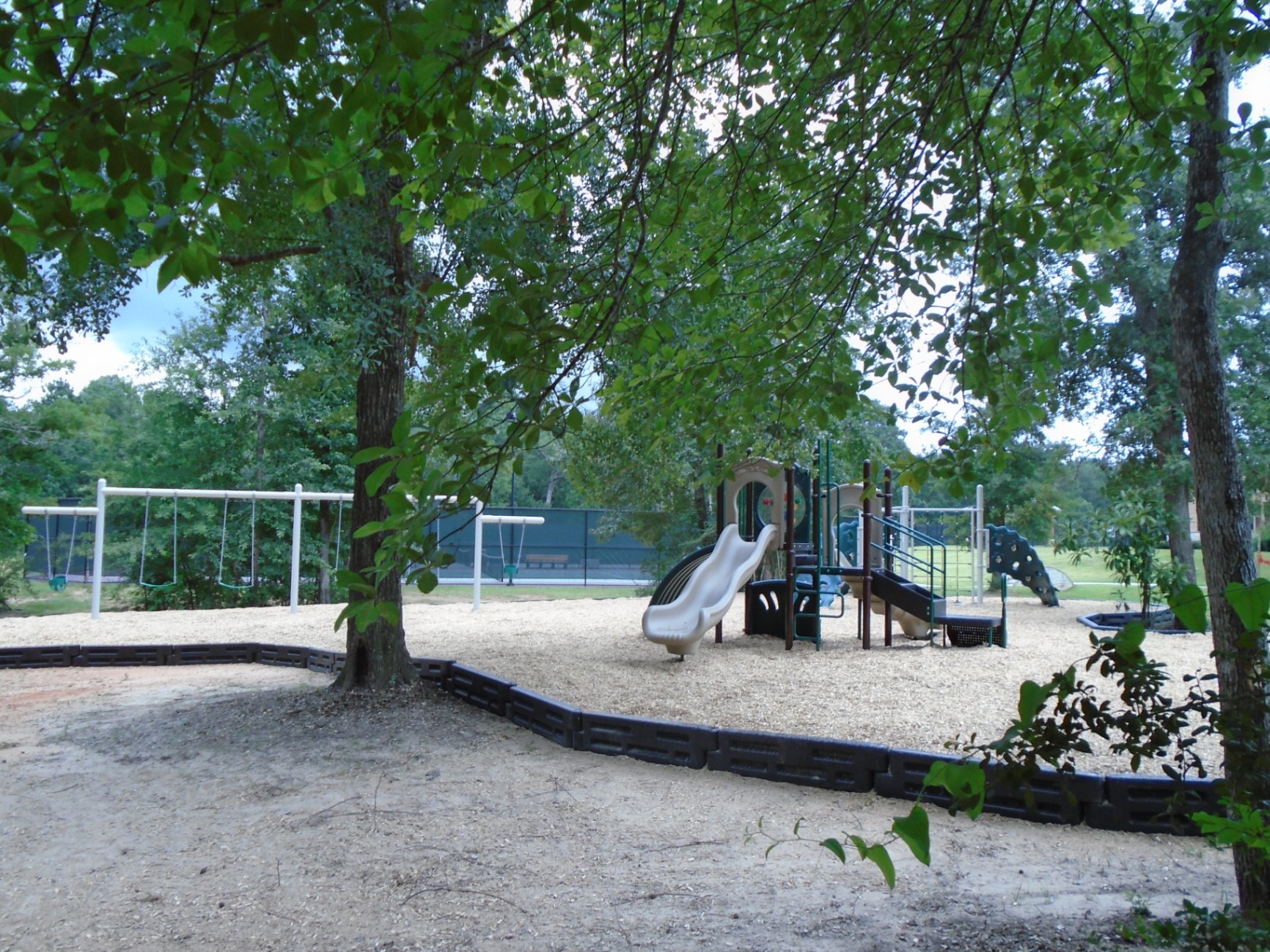
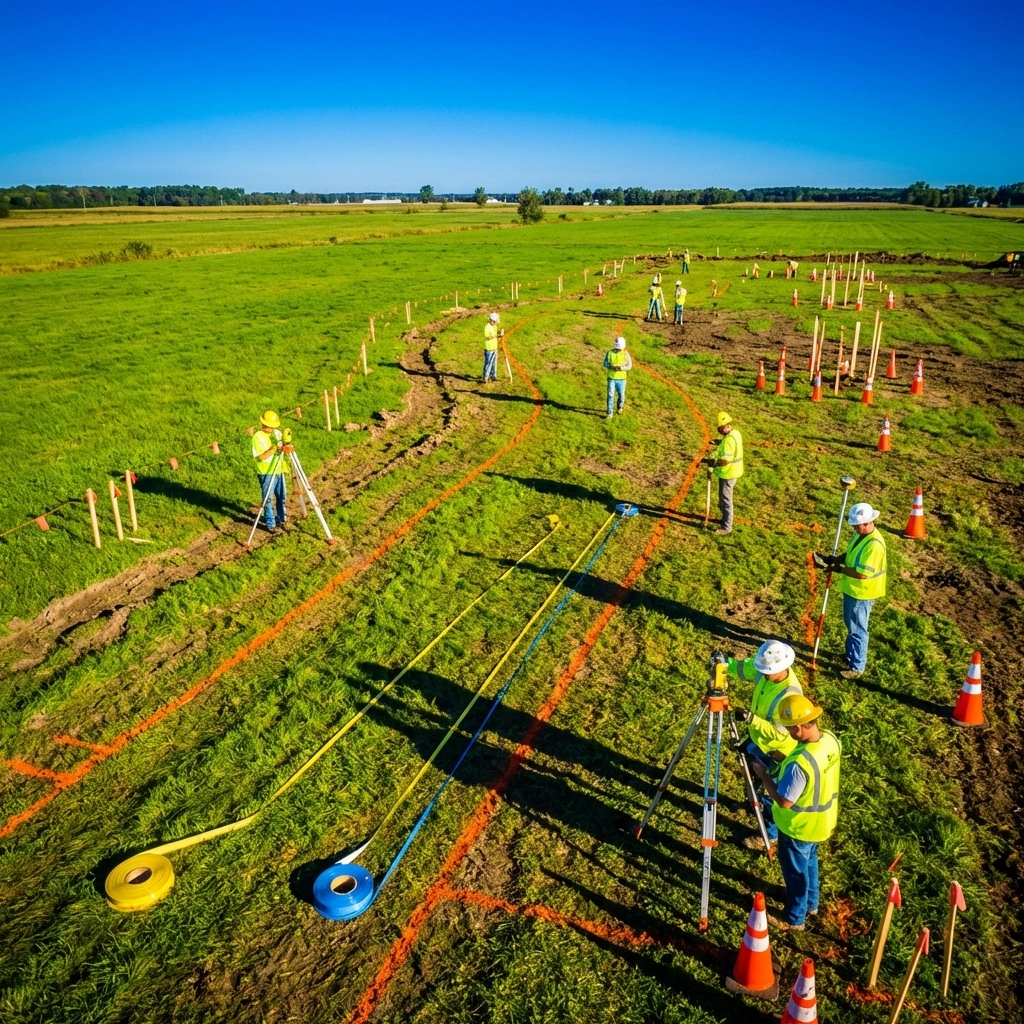
Your site is the canvas for your masterpiece, so let's make sure it's ready! Start by measuring your available area – you need to understand exactly how much space you're working with for equipment placement and safety zones.
Essential site considerations:
- Drainage: Standing water is a playground's enemy
- Utilities: Underground lines can derail your entire project
- Natural features: Work with existing trees and slopes, don't fight them
- Access points: How will people enter and exit safely?
- Sight lines: Parents need to see their kids from multiple vantage points
Each piece of playground equipment requires designated "use zones" – safe spaces around the equipment where children might fall or dismount. These zones can't overlap with other structures, so proper spacing is absolutely crucial!
Step 4: Gather Community Input and Design Vision
This step is where the magic happens! Your playground should reflect your community's unique character and needs. Before diving into detailed design work, take time to understand what matters most to your users.
Key questions to explore:
- Are there historical themes or local landmarks to incorporate?
- What additional amenities does your community need (shade, restrooms, seating)?
- Who are your key stakeholders and decision-makers?
- What makes your community special and how can the playground reflect that?
Research shows that larger play areas with more space per child result in fewer injuries. So while you might be tempted to pack in as much equipment as possible, remember that adequate spacing isn't just about compliance – it's about creating a genuinely safer experience!
Step 5: Create Detailed Design and Layout Plans
Now comes the exciting part – seeing your vision come to life on paper! Professional designers will create detailed drawings showing exactly how your finished playground will look and function.
These plans should include:
- Equipment placement with proper use zones
- ADA-compliant pathways and access points
- Safety surfacing boundaries and transitions
- Site amenities like benches, shade structures, and landscaping
- Clear sight lines for supervision
- Proper spacing around immovable obstacles like trees or utilities
Why this matters: Detailed plans help you catch potential problems before installation begins. It's much easier (and cheaper!) to move equipment on paper than after it's already installed.
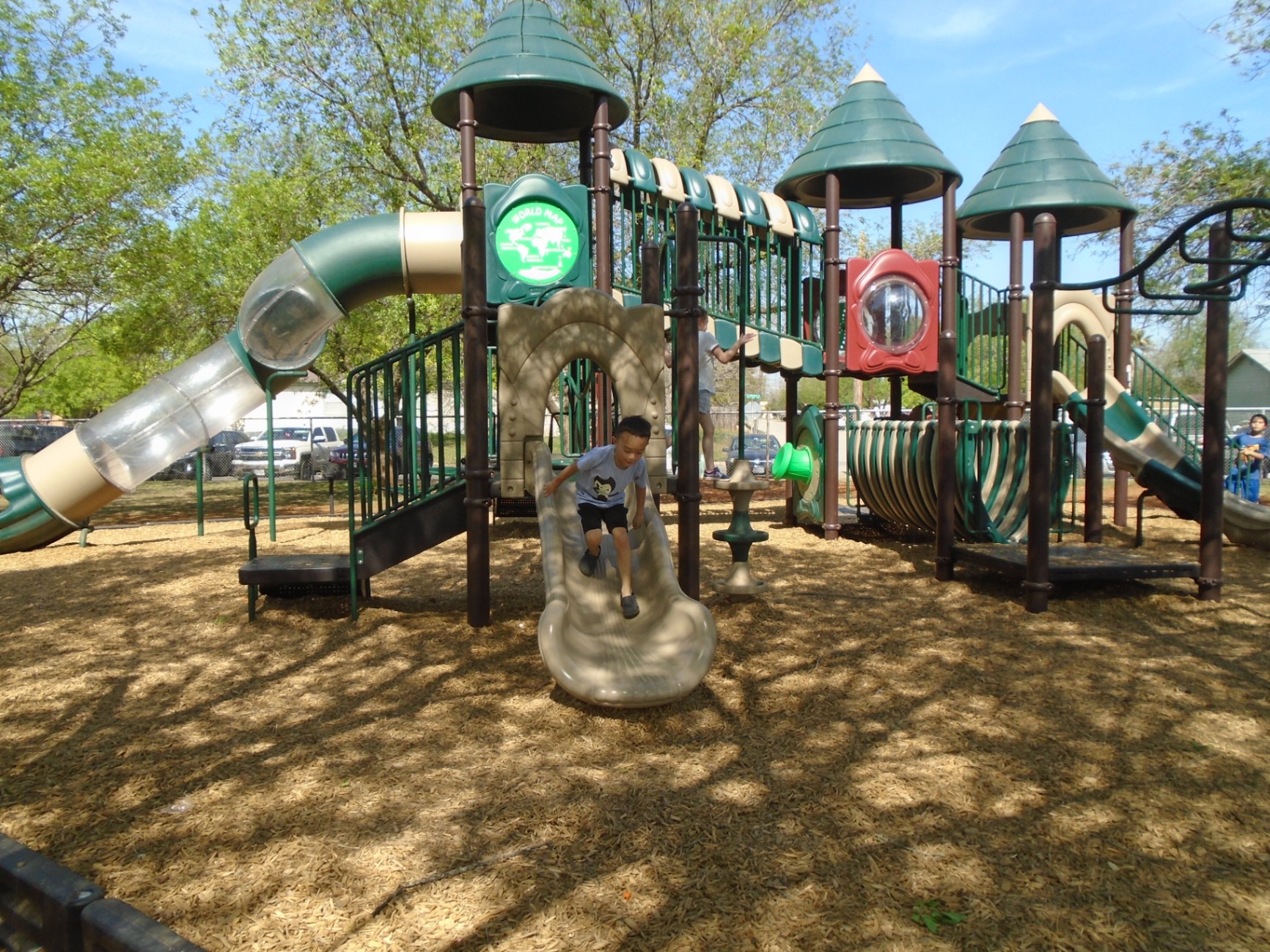
Step 6: Select Equipment That Delivers
With your budget, audience, space, and design vision locked in, it's time to choose equipment that brings everything together! This is where your planning pays off – you'll know exactly what you need instead of guessing.
Equipment selection considerations:
- Age-appropriateness: Match challenge levels to your primary users
- Durability: Commercial equipment needs to withstand heavy daily use
- Maintenance requirements: Some materials need more upkeep than others
- Play value: Look for equipment that offers multiple ways to play
- Inclusivity: Ensure children of all abilities can participate
Modern playground options range from traditional post-and-platform structures to themed environments like pirate ships, castles, or nature-inspired designs. The key is choosing equipment that aligns with your community's preferences and your long-term maintenance capabilities.
Step 7: Master Your Project Timeline
Timing is everything! Work backward from your target opening date to ensure you allow adequate time for each phase of the project.
Typical timeline breakdown:
- Planning and design: 2-6 weeks
- Community review and feedback: 2-4 weeks
- Final design approval: 1-2 weeks
- Equipment ordering and manufacturing: 4-12 weeks
- Shipping and delivery: 2-8 weeks
- Site preparation: 1-3 weeks
- Installation: 3-14 days (depending on complexity)
- Final inspection and certification: 1-3 days
Pro tip: Weather can significantly impact installation timelines, especially for surfacing work. Build in some buffer time, particularly if you're planning a spring installation in areas with unpredictable weather!
Step 8: Prioritize Safety and Compliance
Safety isn't just a box to check – it's the foundation of everything you're building! Your playground needs to meet or exceed all applicable safety standards, including ASTM, CPSC, and ADA requirements.
Critical safety elements:
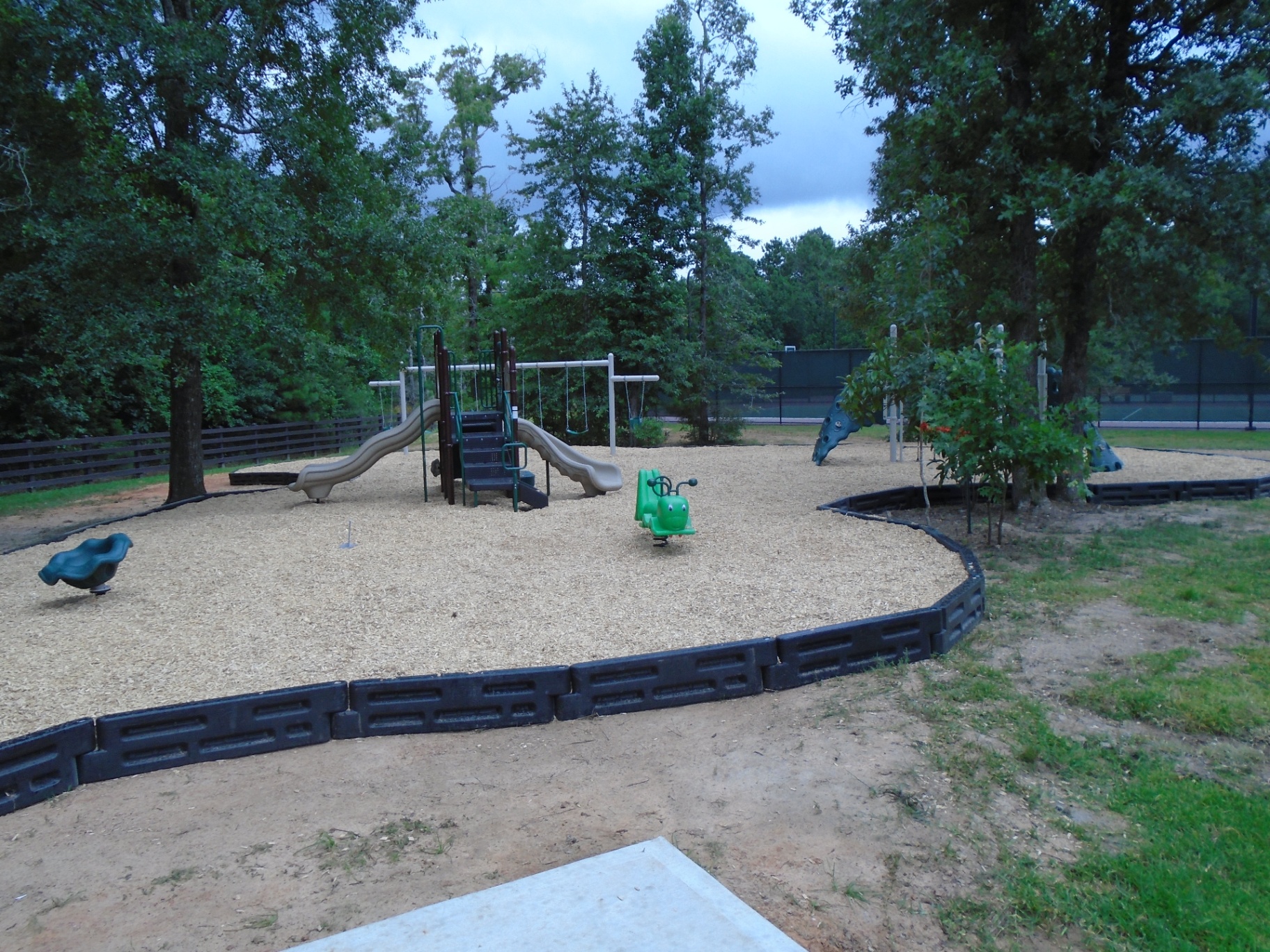
- Fall zones: Proper impact-attenuating surfaces extend beyond equipment use zones
- Entrapment prevention: No spaces where heads, necks, or clothing can get caught
- Age separation: Clear boundaries between areas designed for different age groups
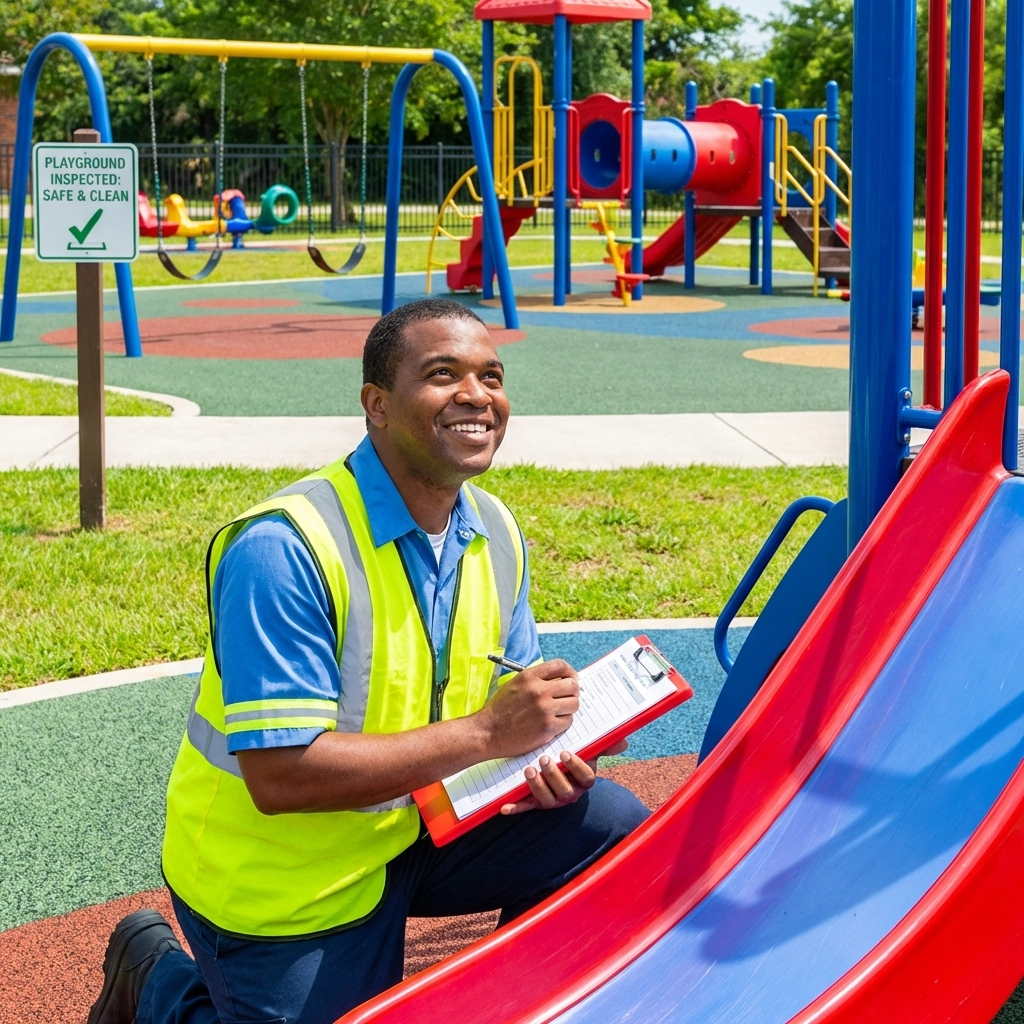
- Regular inspections: Scheduled maintenance and safety audits
- Proper signage: Clear age recommendations and safety guidelines
Remember, safety surfacing is just as important as the equipment itself. Whether you choose engineered wood fiber, poured-in-place rubber, or another material, make sure it's properly installed and maintained!
Step 9: Plan for Long-Term Success
Your playground's grand opening isn't the finish line – it's the starting line for years of community enjoyment! Planning for ongoing maintenance and management from the beginning ensures your investment pays dividends for decades.
Long-term success strategies:
- Establish maintenance schedules: Regular inspections prevent small problems from becoming big ones
- Train your team: Make sure staff understand proper maintenance procedures
- Budget for upkeep: Factor ongoing costs into your annual budgets
- Keep detailed records: Documentation helps track equipment lifespan and warranty coverage
- Plan for future updates: Playgrounds evolve – leave room for additions and improvements
The bottom line: A well-maintained playground stays safer, looks better, and lasts longer. It's an investment in your community's future!
Ready to Turn Your Playground Vision into Reality?
Planning a commercial playground doesn't have to be complicated when you have the right partner! At All Aquatics & Kids Playgrounds, we've helped countless communities, schools, and organizations create amazing play spaces that serve their users safely and effectively for years to come.
Our experienced team understands every aspect of playground planning – from initial budgeting and site analysis through design, installation, and ongoing maintenance support. We work with you every step of the way to ensure your project stays on track, on budget, and exceeds your community's expectations.
Whether you're just starting to explore possibilities or you're ready to move forward with detailed planning, we're here to help make your playground dreams a reality. Contact us today to discuss your project and discover how we can help you create a playground that becomes the heart of your community!
Let's build something amazing together – your community deserves a playground that's as unique and special as they are!